March 4, 2026
The Anatomy by Planes Atlas in Clinical Practice
Most anatomy atlases show what skin, muscles, and joints look like. This atlas shows which skin, muscles, and joints work together and when. After three decades working with professional athletes and executives, that distinction has made all the difference in how I assess, treat, and get consistent results.
January 7, 2026
Motion does not happen muscle-by-muscle
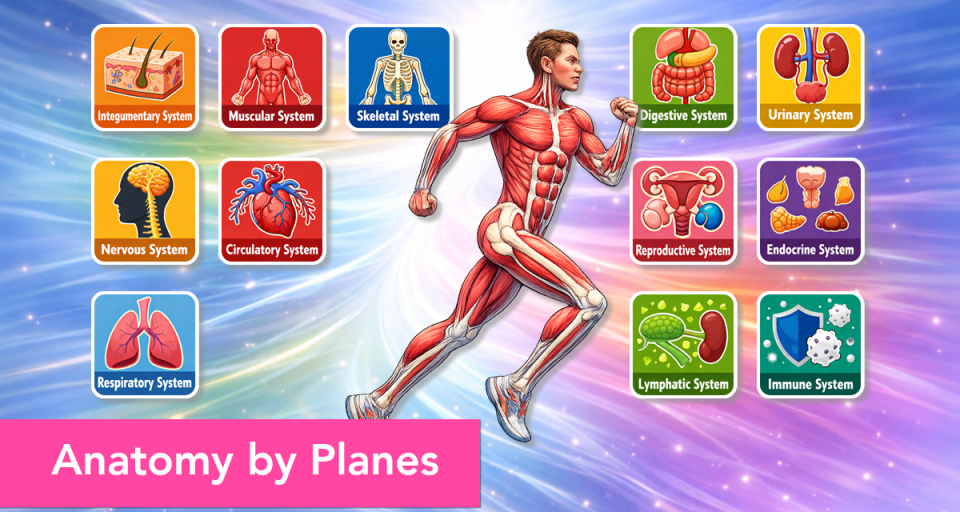
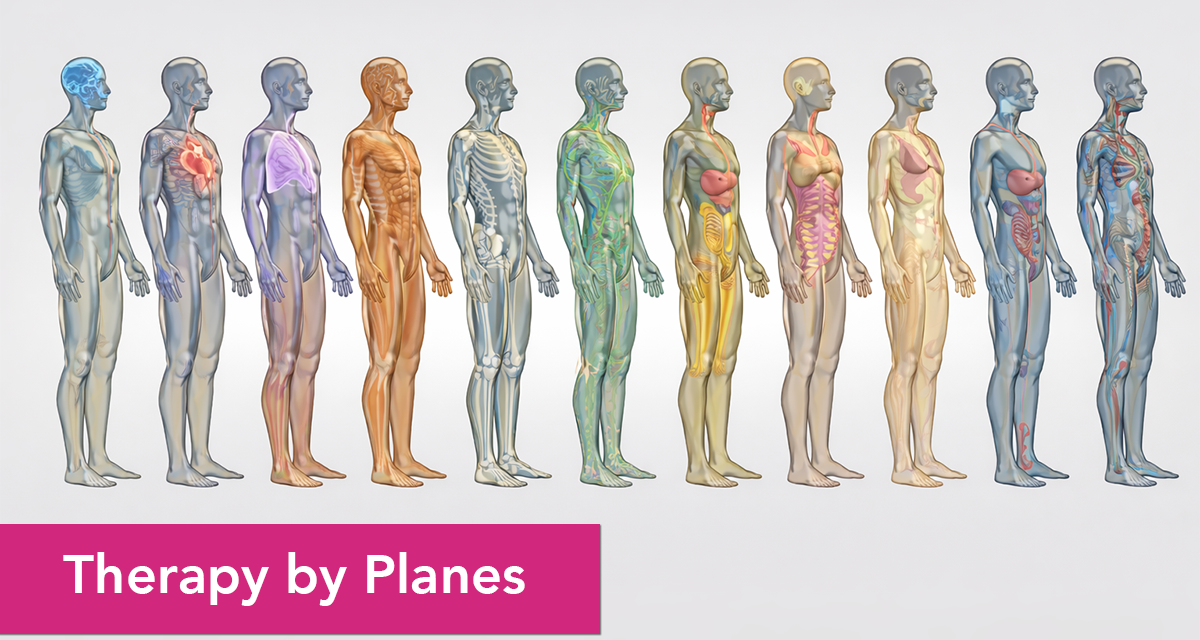
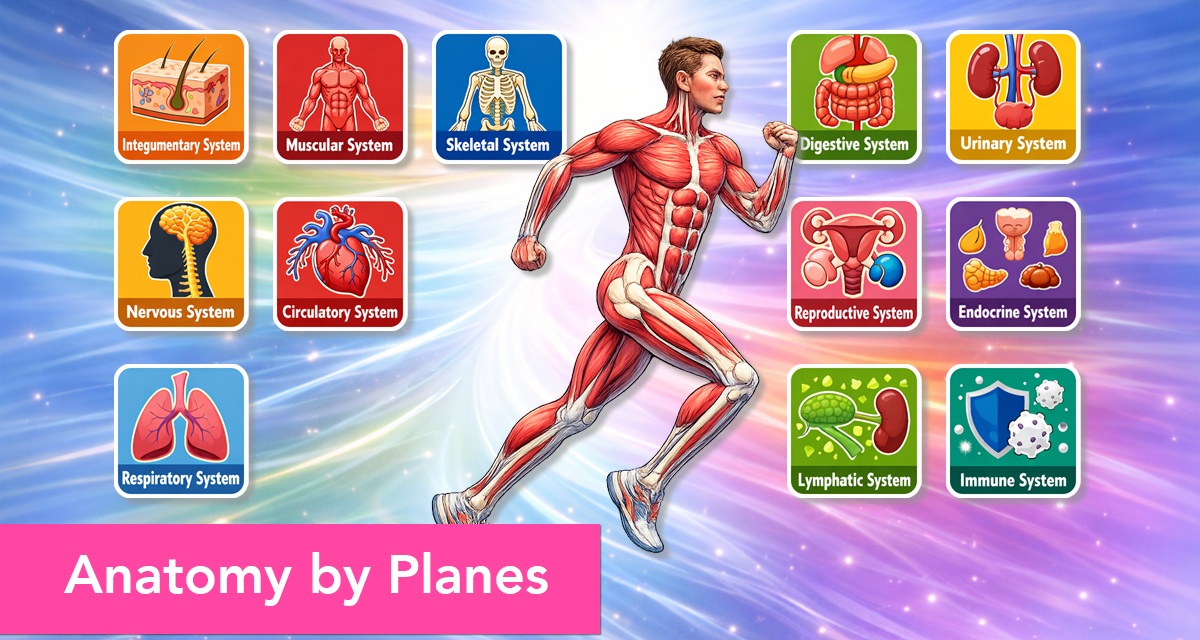
Movement does not occur muscle-by-muscle, but within the anatomical planes of motion—where the integumentary, muscular, skeletal, and other organ systems collaborate as one integrated whole. When anatomy is viewed primarily through static dissection, we are inclined to see and treat parts rather than the movement they create.
July 31, 2025
Dissection vs AxP Anatomy: Latissimus Dorsi (L)
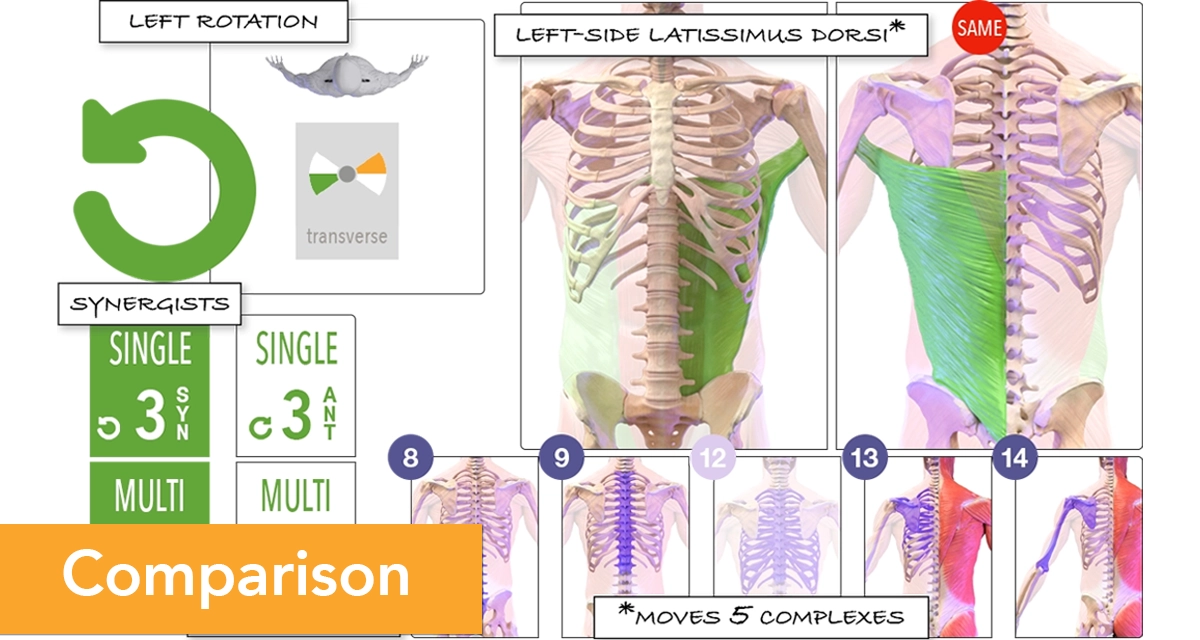
Compare dissection anatomy and soft tissue therapy anatomy: The left-sided latissimus left rotates the “transverse thoracic,” moves five complexes in total, has three single-complex synergists and antagonists, five multi-complex synergists, and six multi-complex antagonists.
July 30, 2025
Dissection vs AxP Anatomy: Latissimus Dorsi (R)
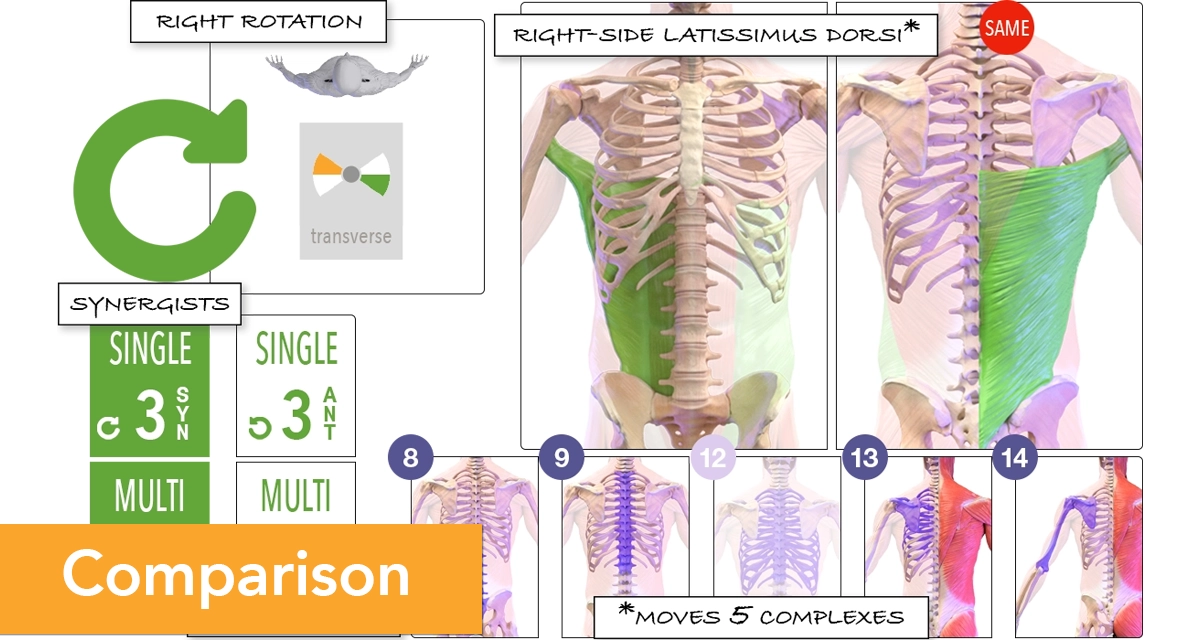
Compare dissection anatomy and soft tissue therapy anatomy: The right-sided latissimus right rotates the “transverse thoracic,” moves five complexes in total, has three single-complex synergists and antagonists, five multi-complex synergists, and six multi-complex antagonists.
July 20, 2025
Ch. 4.5: A Passive Complex
A complex is designed to move in one, two, or three planes of motion. For example, the "elbow" is built for flexion and extension, which occur in the sagittal plane. It is, however, not built for movement in the frontal and transverse planes. Within these planes, the elbow is considered "passive."

July 1, 2025
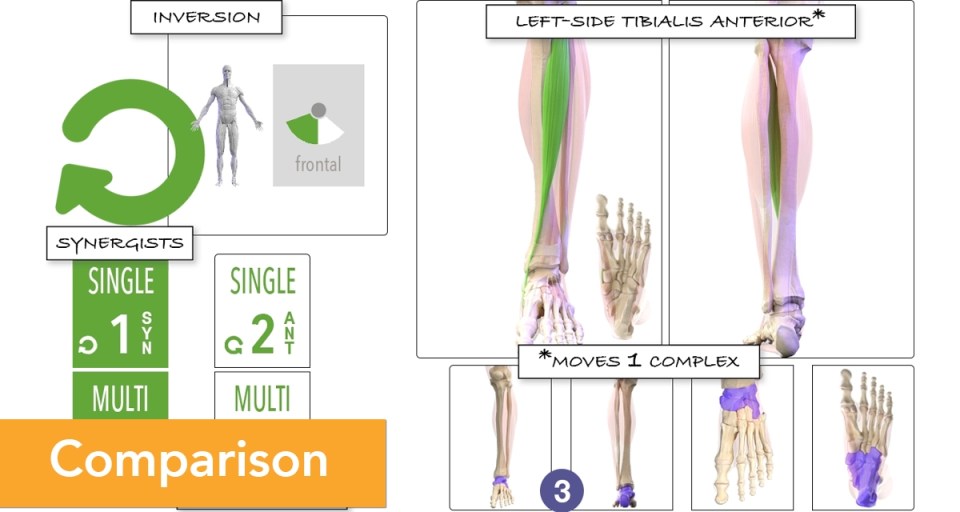
Dissection vs AxP Anatomy: Tibialis Anterior (L)
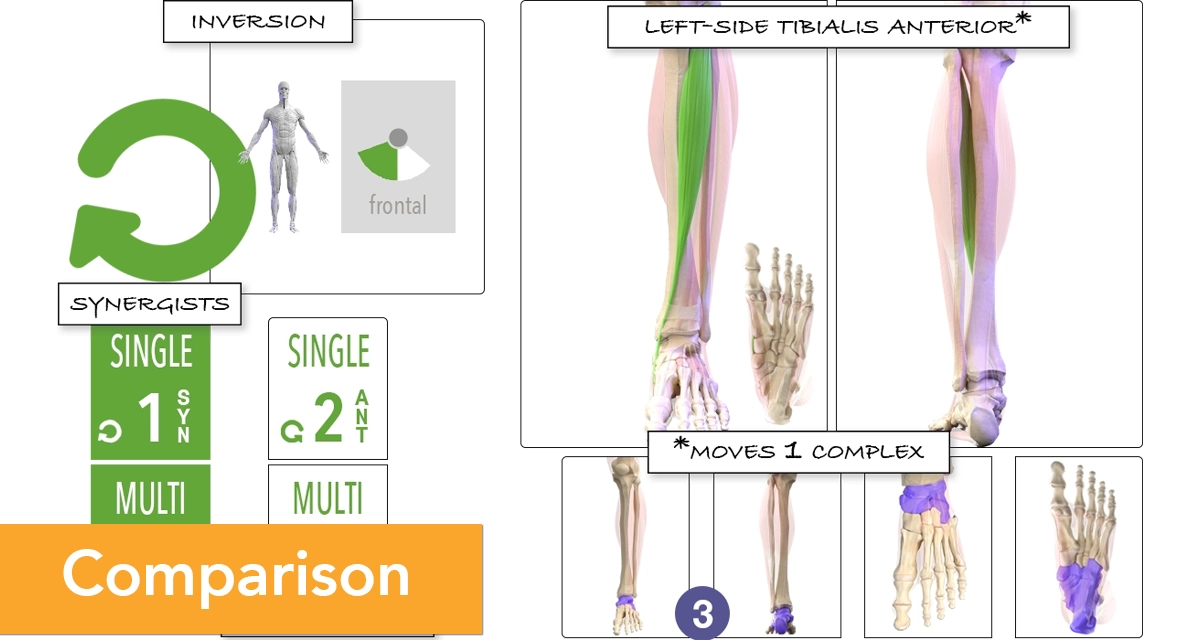
Compare dissection anatomy and soft tissue therapy anatomy: The left-sided tibialis anterior inverts the “frontal ankle,” is a single-complex muscle, has one single-complex synergist, two single-complex antagonists, three multi-complex synergists, and one multi-complex antagonist.
June 28, 2025
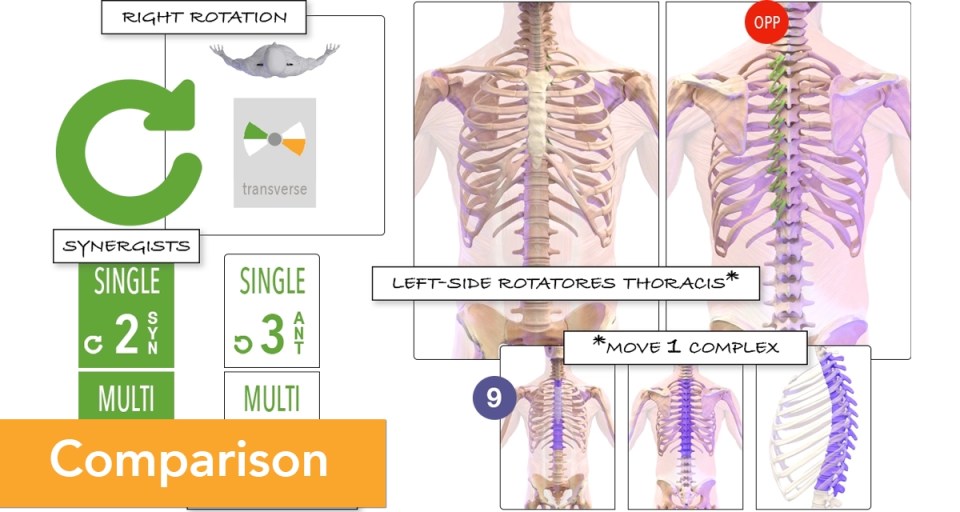
Dissection vs AxP Anatomy: Rotatores Thoracis (L)
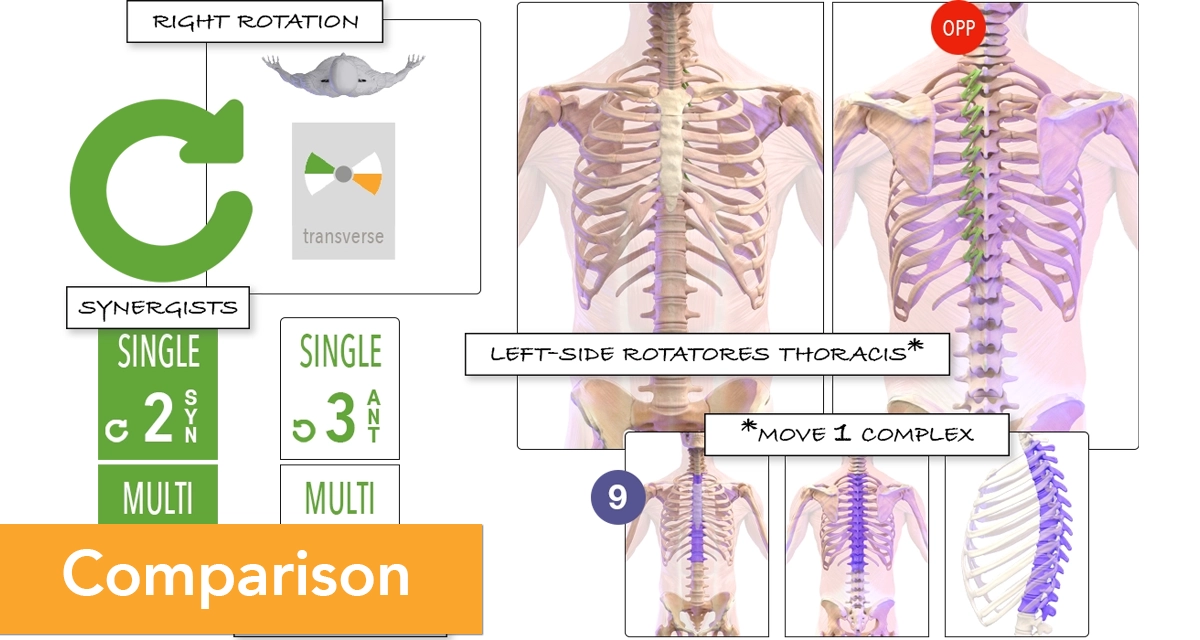
Compare dissection anatomy and soft tissue therapy anatomy: The left-sided rotatores thoracis right rotate the “transverse thoracic,” are single-complex muscles, have two single-complex synergists, three single-complex antagonists, and six multi-complex synergists and antagonists.
June 25, 2025
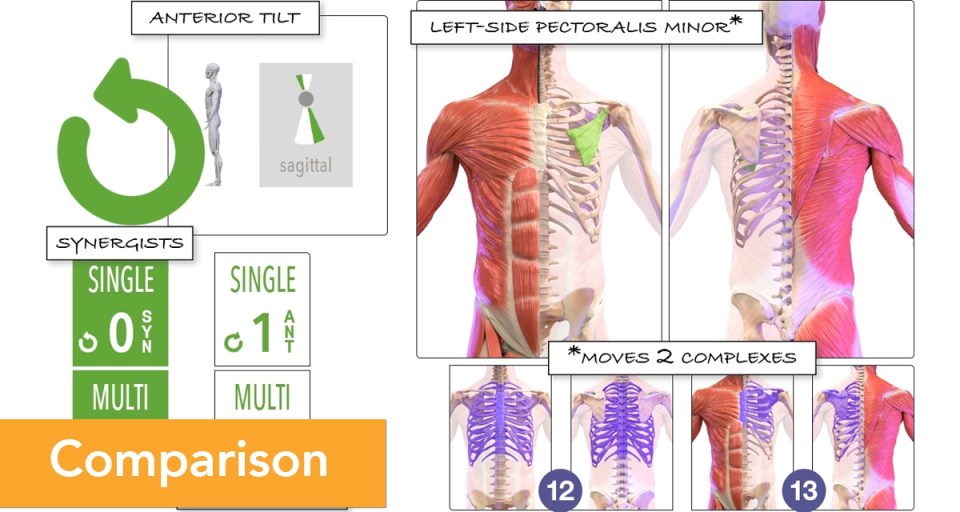
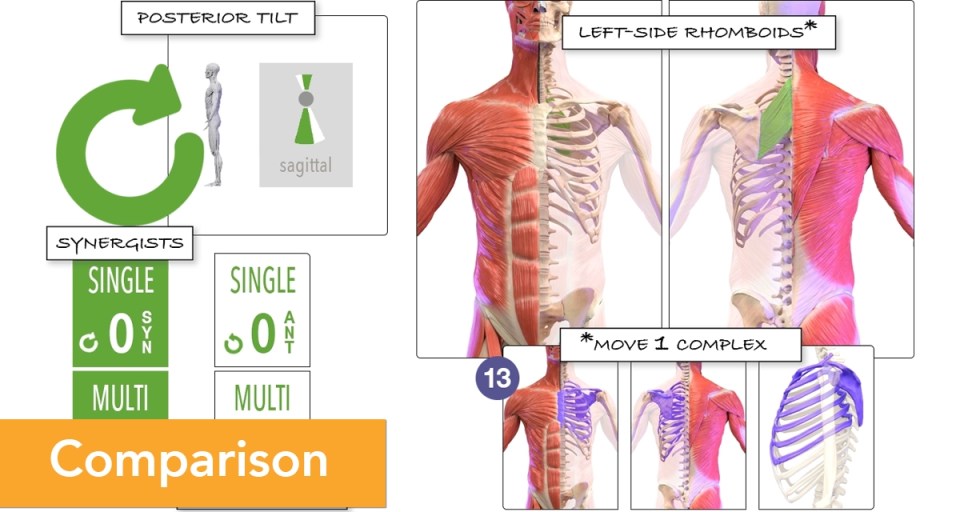
Dissection vs AxP Anatomy: Pectoralis Minor (L)
Compare dissection anatomy and soft tissue therapy anatomy: The left-sided pectoralis minor anterior tilts the “sagittal shoulder girdle,” moves two complexes in total, has no single-complex synergists, one single-complex antagonist, no multi-complex synergists, and two multi-complex antagonists.
June 22, 2025
Dissection vs AxP Anatomy: Rotatores Thoracis (R)
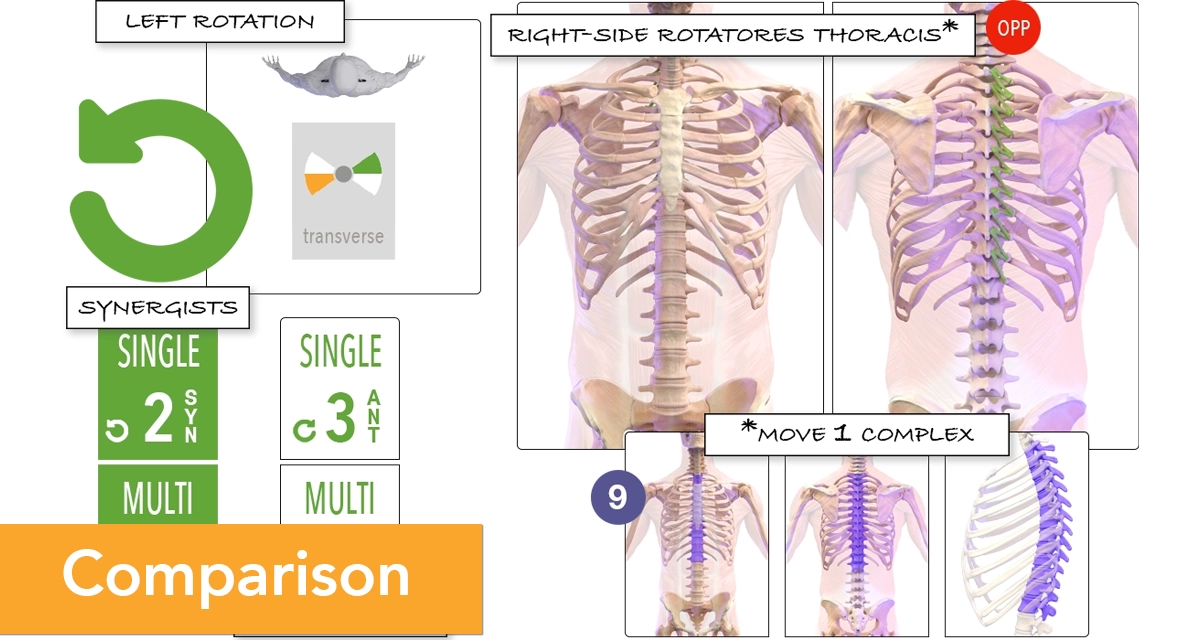
Compare dissection anatomy and soft tissue therapy anatomy: The right-sided rotators thoracis left rotate the “transverse thoracic,” are single-complex muscles, have two single-complex synergists, three single-complex antagonists, and six multi-complex synergists and antagonists.
June 19, 2025
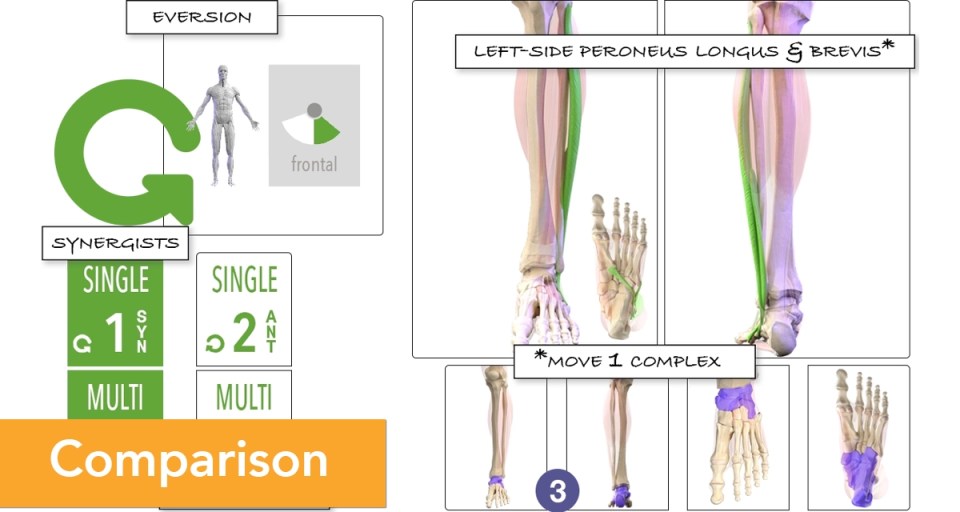
Dissection vs AxP Anatomy: Peroneus Longus & Brevis (L)
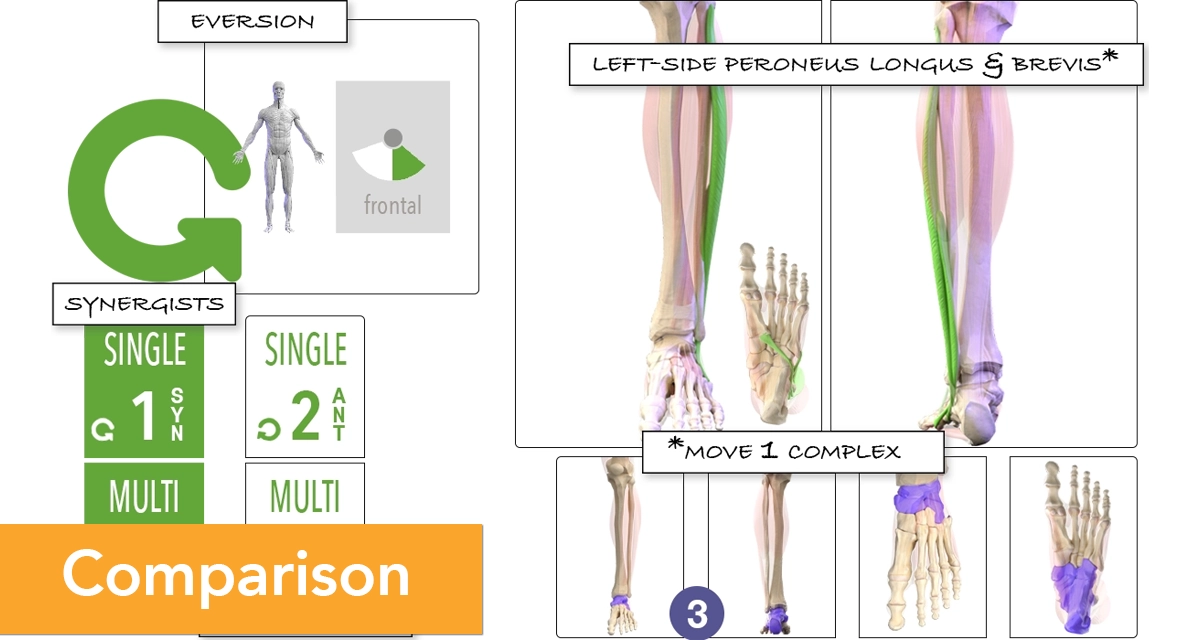
Compare dissection anatomy and soft tissue therapy anatomy: The left-sided peroneus longus & brevis evert the “frontal ankle,” are single-complex muscles, have one single-complex synergist, two single-complex antagonists, one multi-complex synergists, and three multi-complex antagonist.
Privacy Overview

This website uses cookies so that we can provide you with the best user experience possible. Cookie information is stored in your browser and performs functions such as recognising you when you return to our website and helping our team to understand which sections of the website you find most interesting and useful. For more information you can read our Privacy Policy.