

Motion, “the action or process of moving,” according to the web-based Cambridge Dictionary®, is the virtual Gorilla Glue® of the human body. It binds everything without exception, directly and indirectly, vital and non-vital.
It might sound crazy, but every part of us is involved in motion.
Motion depends on every system and all its parts working together smoothly. Even one muscle, joint, nerve, blood vessel, or digestive organ that doesn't work well can act as a "wrench in the gears," disrupting movement and ultimately causing pain. This shows that movement is truly a whole-body experience.
Motion is the result of all our organ systems working together. Directly and indirectly, a lot and a little, noticeable and unnoticeable, all our organ systems play a role.
- Integumentary (skin).
- Muscular (muscles and deep fasciae).
- Skeletal (bones and joints).
- Nervous (peripheral and central).
- Circulatory aka cardiovascular (heart, arteries, veins).
- Lymphatic (immune).
- Respiratory (lungs).
- Digestive (stomach, intestines, etc.).
- Urinary aka renal (kidneys).
- Endocrine (hormones).
- Reproductive.
Motion depends on every system and all its parts working together smoothly. Even one muscle, joint, nerve, blood vessel, or digestive organ that doesn't work well can act as a "wrench in the gears," disrupting movement and ultimately causing pain. This shows that movement is truly a whole-body experience.

A part that doesn't work well can act as a "wrench in the gears," disrupting motion and causing pain.
Motion is not only an expression of wholeness, but it is also an evidence-based metric. You can see it, feel it, do it, evaluate it, and measure it.
And because it's an evidence-based metric, we, as soft tissue therapists, can treat, train, and improve it. As soft tissue therapists, motion is an essential part of everything we do.
- We resolve pain complaints of the movement apparatus.
- We help clients move pain-free and better.
- We evaluate and diagnose using motion.
- We treat by moving skin, muscles, and joints with our hands and exercises.
In summary, everything we do as human beings and soft tissue therapists is fundamentally connected to motion and our anatomy.
Illustrating this connection was not easy, but I found a way to do it.
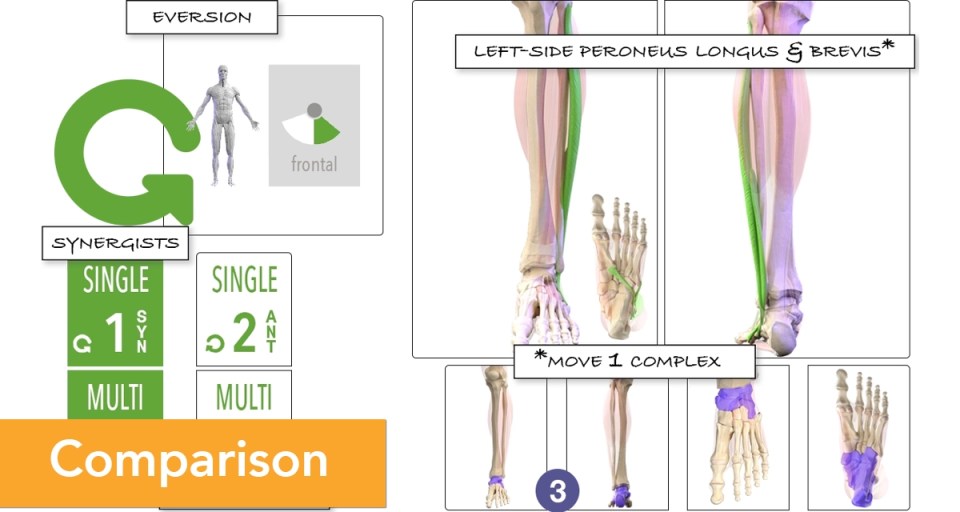
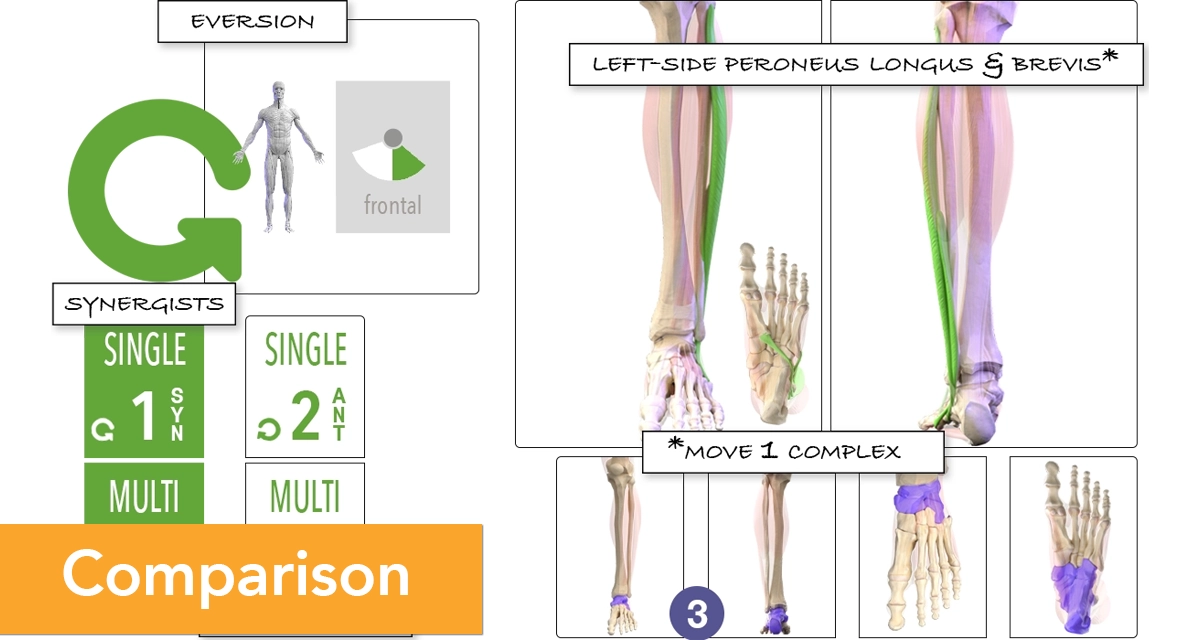
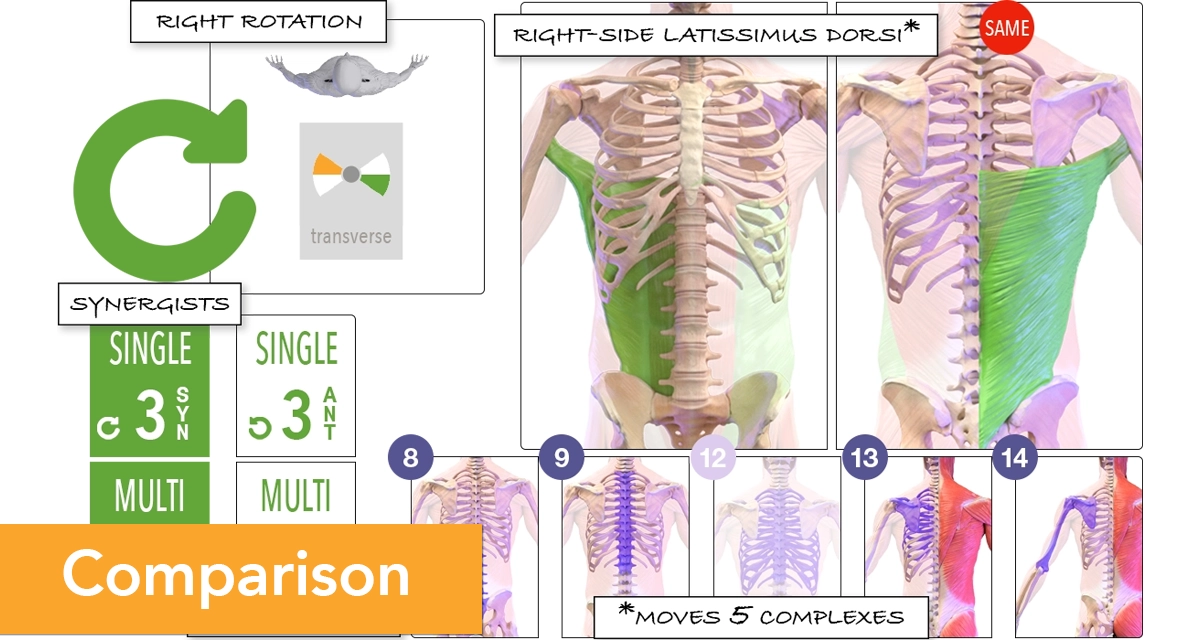
By applying the anatomical planes of motion and their axes to the human body, "Anatomy by Planes" presents traditional anatomy through a pair of orange, motion-colored glasses.
Theoretically, "Anatomy by Planes" is a comprehensive, visual, soft tissue therapy reference guide that shows the interconnectivity of the human body through motion. Practically, this atlas shows you which skin, muscles, and joints to treat and exercise when movement hurts.
Ultimately, by merging human anatomy and motion, “Anatomy by Planes” provides you with a valuable two-in-one resource.