
Ch. 3.0: The Anatomical Planes of Motion

Clockwise and counterclockwise, every movement happens within one, two, or even three planes at the same time. Always!

Written by

Willem Kramer

Published on

June 26, 2025

Before diving in deeper, I need to explain the planes in the anatomical planes of motion. They’re, after all, an essential part of this atlas. Planes are, of course, not the kind of planes you fly in. Instead, a plane is a mathematical idea. A plane is defined as “A flat, two-dimensional surface that extends infinitely, with no thickness.” You can think of it as a huge, but crazy thin sheet of glass.

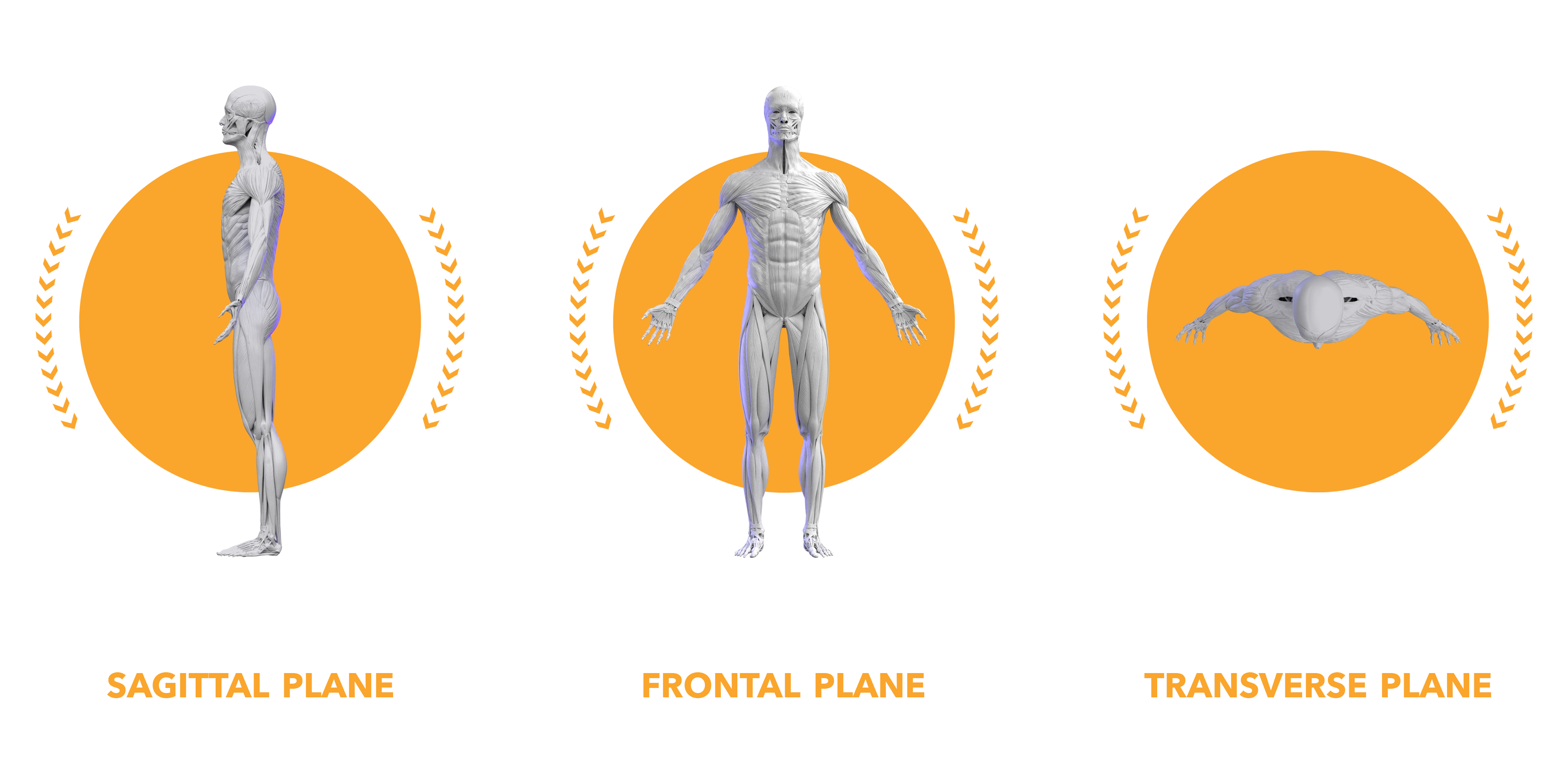
The anatomical planes of motion are three of these sheets, positioned perpendicular to each other. Applied to the body, the planes divide it into parts, equal or unequal. The first plane is called the sagittal plane; it divides the body left to right or width-wise. The second is called the frontal plane; it divides the body front to back or depth-wise. And the third is called the transverse plane; this plane divides the body top to bottom or length-wise. Each plane has an axis that runs perpendicular to the plane it belongs to. The axes are known as the frontal, sagittal, and vertical axes, respectively.

Around each axis, within each plane, there are two motions possible, one clockwise and one counterclockwise.

5 1 vote
Article Rating
Subscribe
Notify of
guest

0 Comments
Inline Feedbacks
View all comments

5 1 vote
Article Rating
Subscribe
Notify of
guest

0 Comments
Inline Feedbacks
View all comments

Author

Willem is a Netherlands-educated physiotherapist and a US-licensed massage therapist with over thirty years of experience working with professional athletes, entertainers, and executives. He presents a movement-based approach that extends dissection anatomy for the specific needs of soft-tissue therapists. Willem advocates for a holistic understanding of the body, emphasizing that all organ systems are interconnected and interdependent. His insights offer both practitioners and enthusiasts a fresh perspective on musculoskeletal health.

booshop-org-icon_orange-EB801D-hover-637C77

Related posts

Including atlas "Introduction," "Comparison," "Quiz," "Bibliography," and "News" posts.
July 20, 2025

Ch. 4.5: A Passive Complex

A complex is designed to move in one, two, or three planes of motion. For example, the "elbow" is built for flexion and extension, which occur in the sagittal plane. It is, however, not built for movement in the frontal and transverse planes. Within these planes, the elbow is considered "passive."
July 31, 2025

Dissection vs AxP Anatomy: Latissimus Dorsi (L)

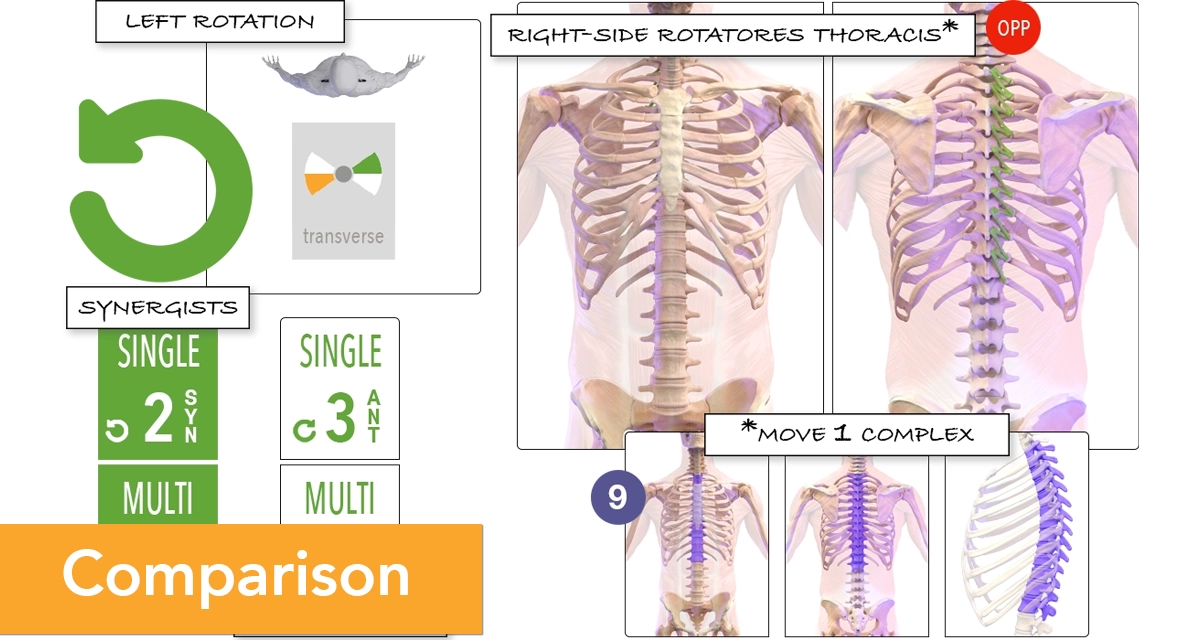
Compare dissection anatomy and soft tissue therapy anatomy: The left-sided latissimus left rotates the “transverse thoracic,” moves five complexes in total, has three single-complex synergists and antagonists, five multi-complex synergists, and six multi-complex antagonists.
0
Would love your thoughts, please comment.x
()
x
Privacy Overview

This website uses cookies so that we can provide you with the best user experience possible. Cookie information is stored in your browser and performs functions such as recognising you when you return to our website and helping our team to understand which sections of the website you find most interesting and useful. For more information you can read our Privacy Policy.