

ANATOMY BY PLANES CATEGORY GET STARTED

Transverse Plane

The articles below compare traditional dissection anatomy with the more practical approach known as "Anatomy by Planes." In these articles, Willem highlights some of the differences between studying anatomy as a science and applying it in soft tissue therapy. Each article emphasizes the reciprocal relationships and interconnectedness of skin, muscles, joints, and movement within the transverse plane.

Written by

Willem Kramer

June 22, 2025
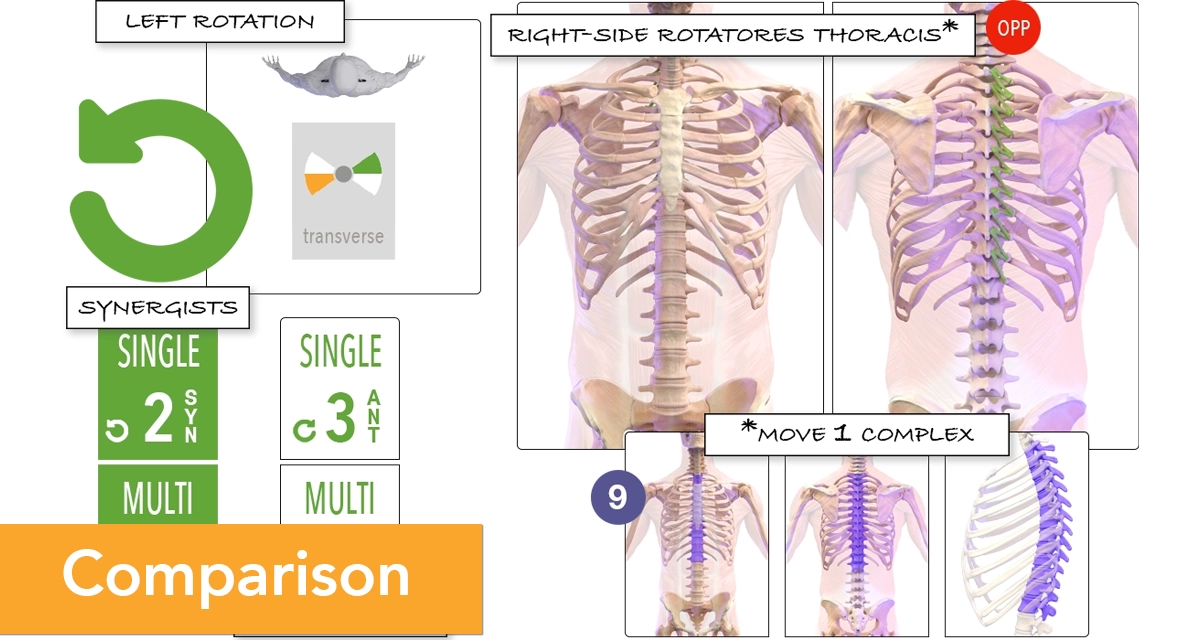
Dissection vs AxP Anatomy: Rotatores Thoracis (R)
Compare dissection anatomy and soft tissue therapy anatomy: The right-sided rotators thoracis left rotate the “transverse thoracic,” are single-complex muscles, have two single-complex synergists, three single-complex antagonists, and six multi-complex synergists and antagonists.
June 28, 2025
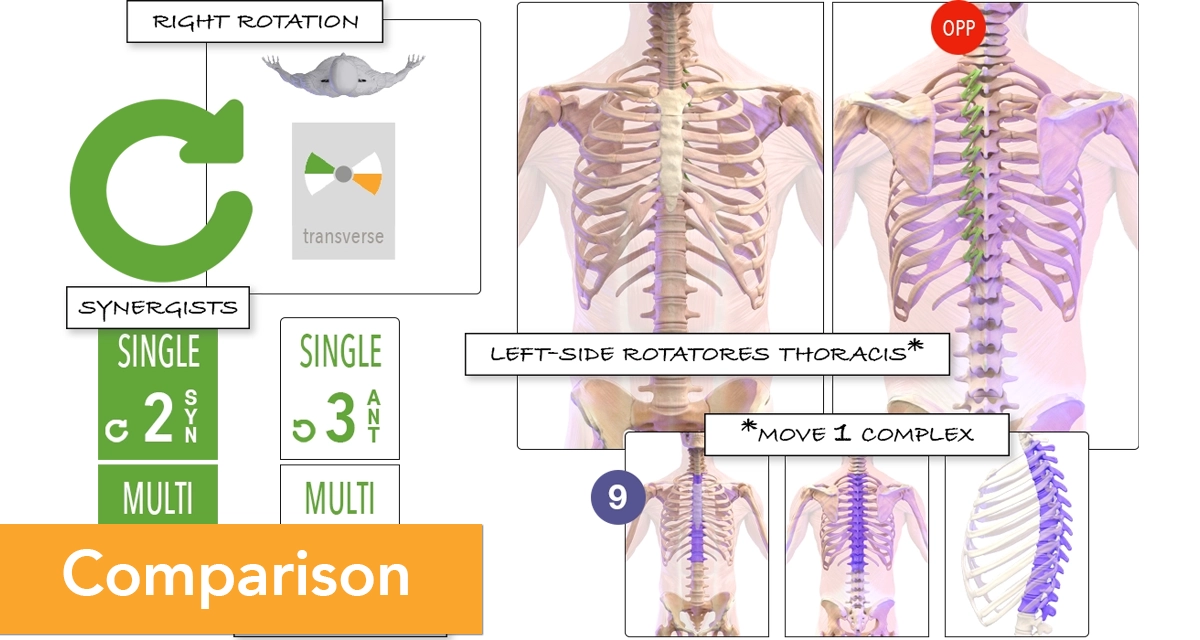
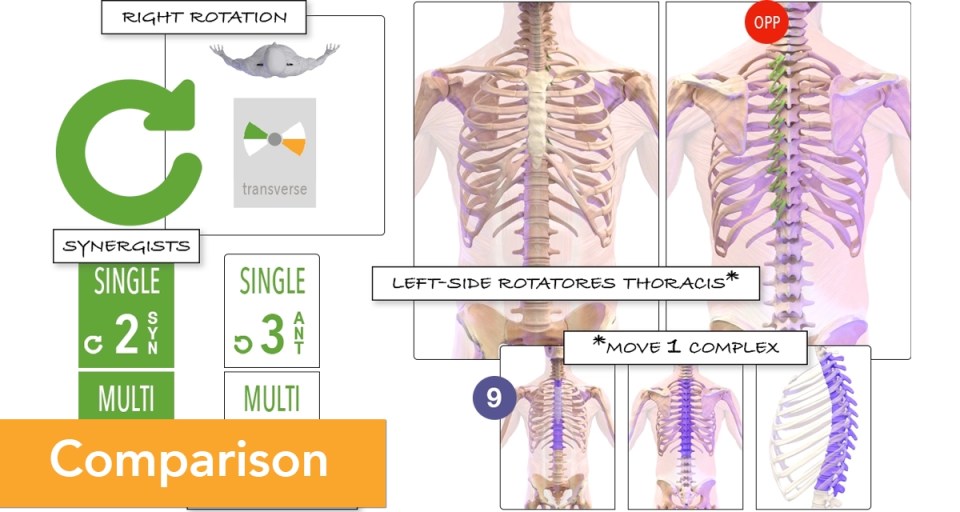
Dissection vs AxP Anatomy: Rotatores Thoracis (L)
Compare dissection anatomy and soft tissue therapy anatomy: The left-sided rotatores thoracis right rotate the “transverse thoracic,” are single-complex muscles, have two single-complex synergists, three single-complex antagonists, and six multi-complex synergists and antagonists.
July 30, 2025
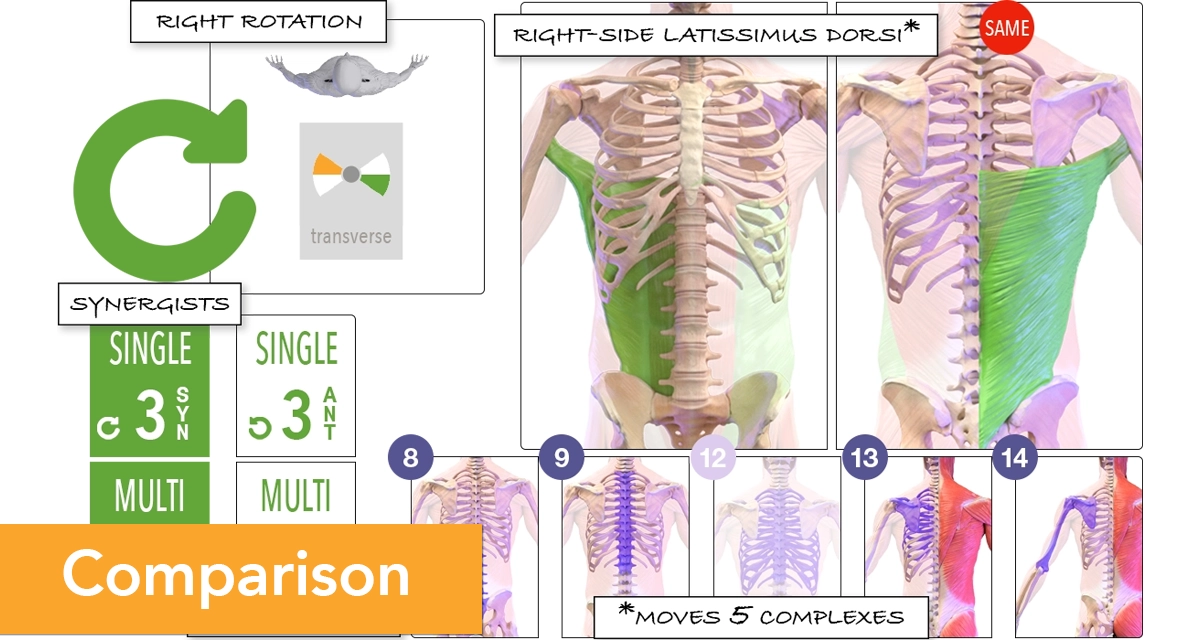
Dissection vs AxP Anatomy: Latissimus Dorsi (R)
Compare dissection anatomy and soft tissue therapy anatomy: The right-sided latissimus right rotates the “transverse thoracic,” moves five complexes in total, has three single-complex synergists and antagonists, five multi-complex synergists, and six multi-complex antagonists.
July 31, 2025
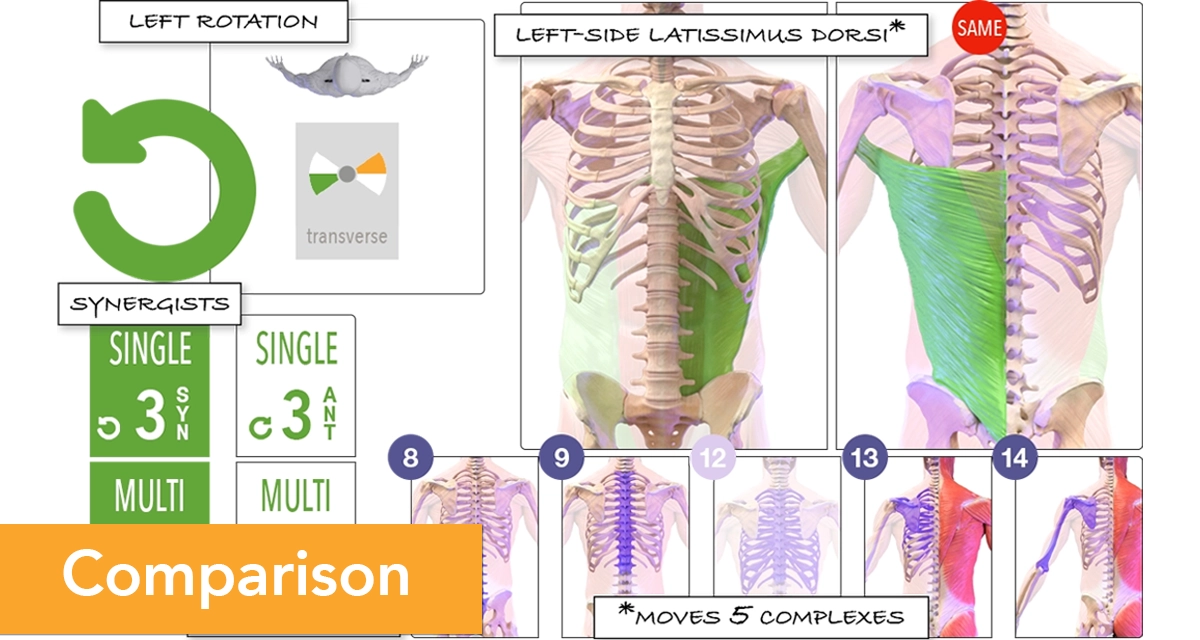
Dissection vs AxP Anatomy: Latissimus Dorsi (L)
Compare dissection anatomy and soft tissue therapy anatomy: The left-sided latissimus left rotates the “transverse thoracic,” moves five complexes in total, has three single-complex synergists and antagonists, five multi-complex synergists, and six multi-complex antagonists.
Privacy Overview

This website uses cookies so that we can provide you with the best user experience possible. Cookie information is stored in your browser and performs functions such as recognising you when you return to our website and helping our team to understand which sections of the website you find most interesting and useful. For more information you can read our Privacy Policy.