
As soft-tissue therapists, we primarily address pain complaints of the locomotor system—the movement apparatus. Ultimately, our job is helping people move more freely, efficiently, and without pain.
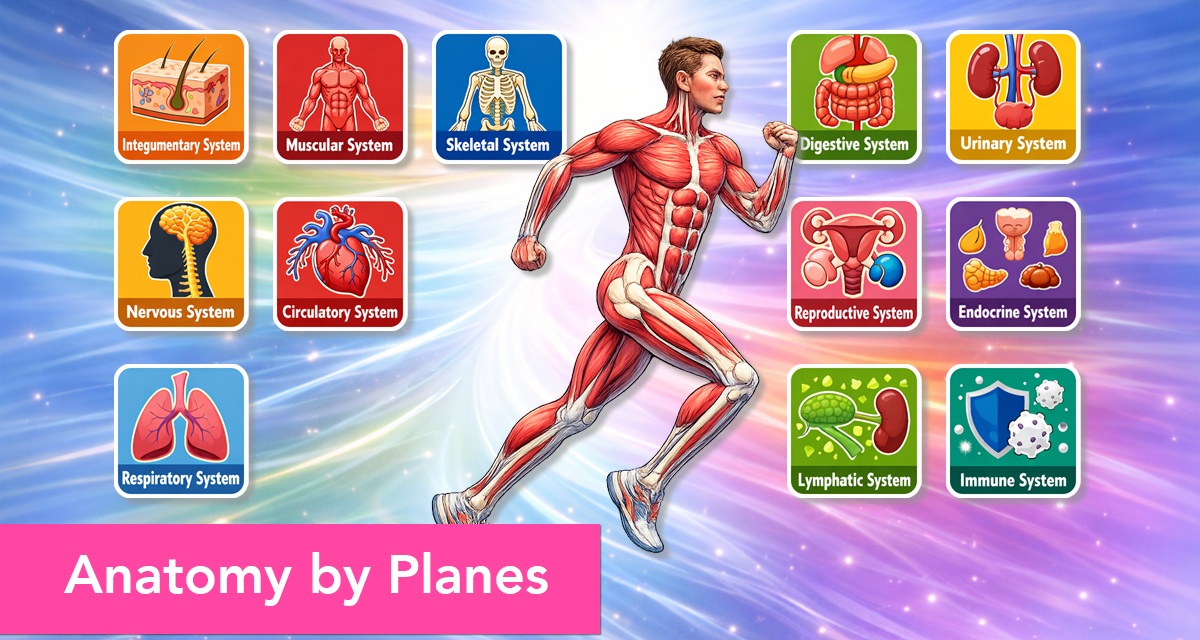
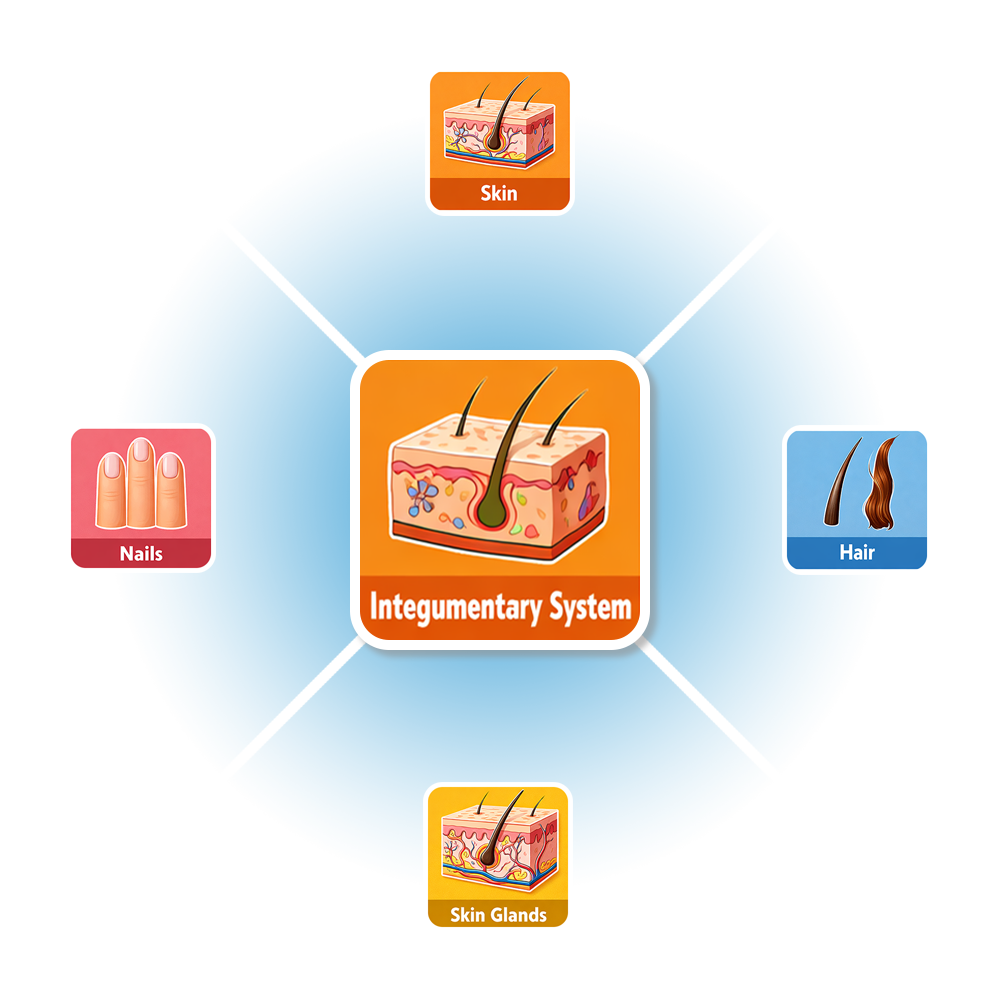
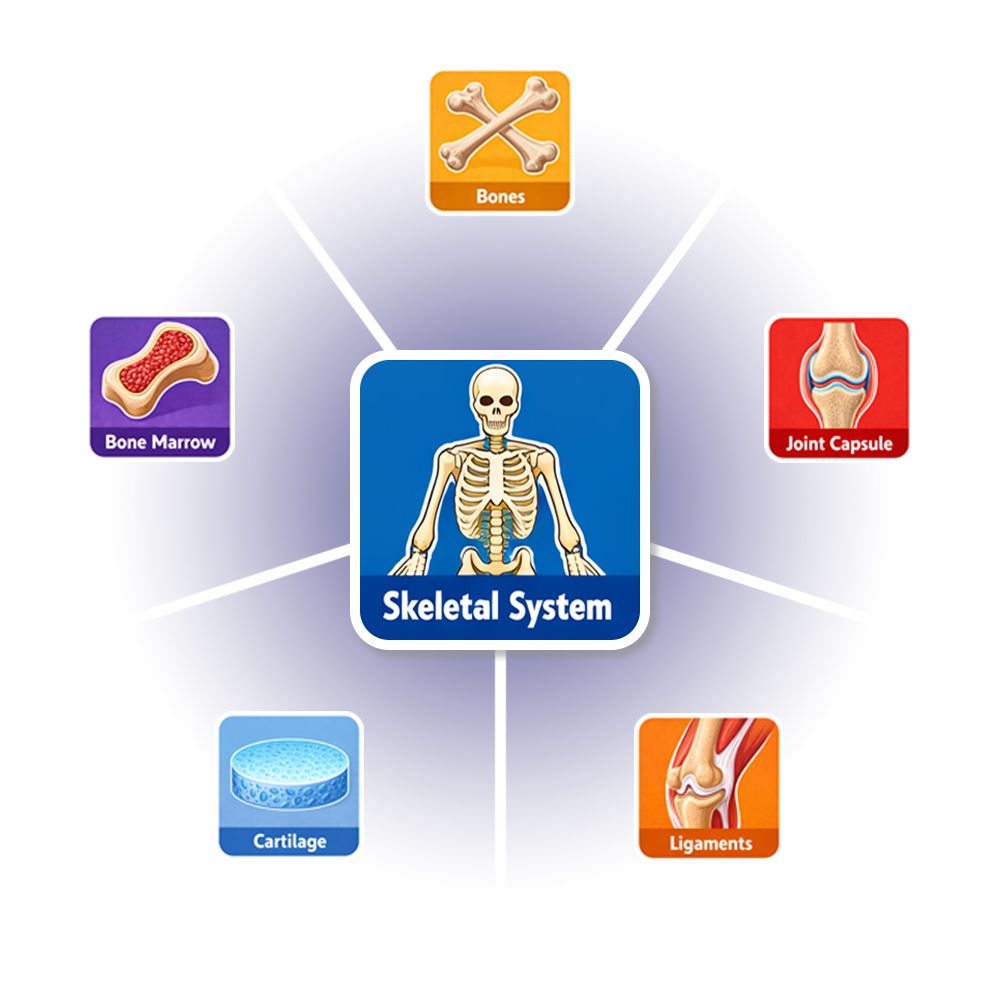
Yet movement—unlike our dissection-based anatomical views—does not happen piece-by-piece. It emerges through coordinated activity within the anatomical planes of motion, where organ systems—such as the integumentary, muscular, and skeletal systems—function together as an integrated whole.
Motion, by its very nature, is relational—holistic—rather than isolated.[1]
When we study and view the body with a static, dissection-based, piece-by-piece bias, we tend to see individual parts rather than the body as one whole.
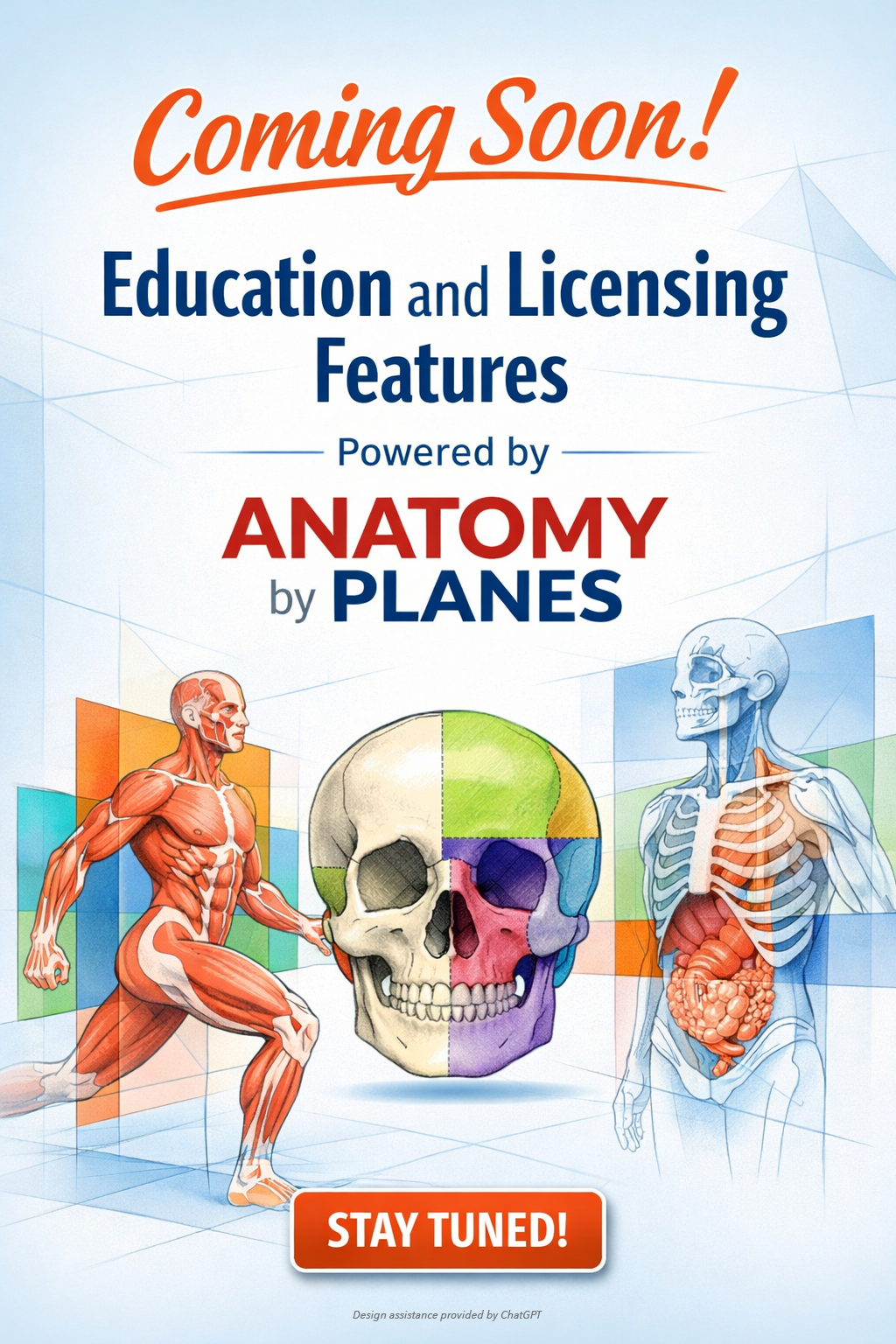
"Anatomy by Planes" is grounded in a motion-based understanding of anatomy. Instead of organizing the body by individual structures as seen in dissection, it organizes human anatomy by planes of motion and (functional) complexes—the coordinated relationships between skin, muscles, and joints that together form an integral part of movement.
This shift—from structure to motion, from parts to planes—provides a framework that more closely reflects how the body actually moves, adapts, and responds to therapy.

Motion involves all organ systems
Motion is hindered, difficult, painful, and in some situations impossible without the direct and indirect involvement of all major organ systems. It depends on far more than muscles alone.
Consider the integumentary, skeletal, nervous, circulatory, and respiratory systems, for example.
The integumentary system functions as a sensory organ that guides and aims movement. The skeletal system provides support and structure while allowing motion. The nervous system generates and transports information throughout the body, initiating, steering, and controlling movement. The circulatory system delivers oxygen, energy, and building blocks that sustain motion over time. The respiratory system regulates the exchange of oxygen and carbon dioxide, enabling sustained motion.
All organ systems contribute to movement—to varying degrees, directly and indirectly.
Thought experiment
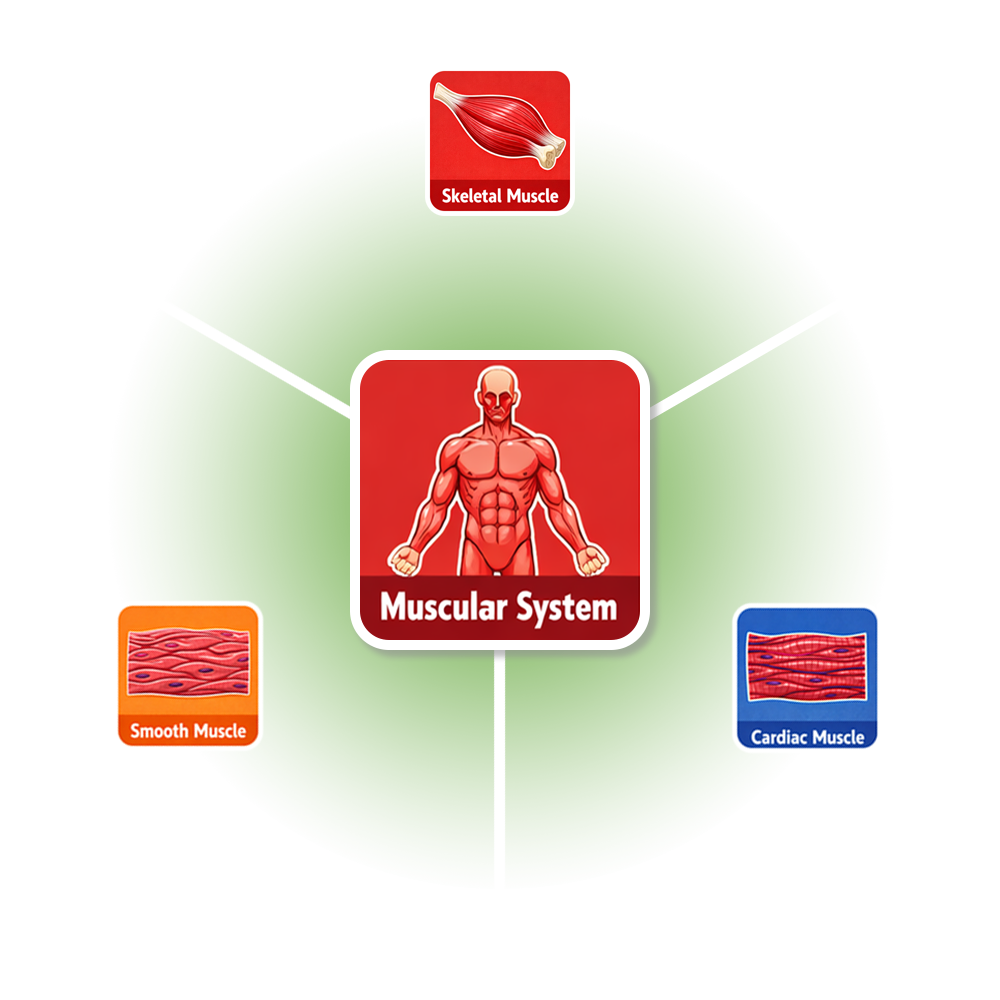
Therapy should not happen muscle-by-muscle
If motion affects the whole body—if it is systemic, then therapy should reflect that reality.
A motion-based understanding of anatomy—as presented in "Anatomy by Planes"—helps soft-tissue therapists move beyond a dissection-based perspective. It allows us to see and work with the reciprocal relationships between skin, muscles, joints, and motion, rather than focusing on isolated structures.
The iliopsoas, for example, is frequently mentioned in discussions of low back pain.[2]
Treating the iliopsoas in isolation often limits results. A singular, dissection-based approach rarely leads to lasting change. Even when pain relief is achieved, it is often short-lived.[3]
Thought experiment
A motion-based approach generally gets better results.
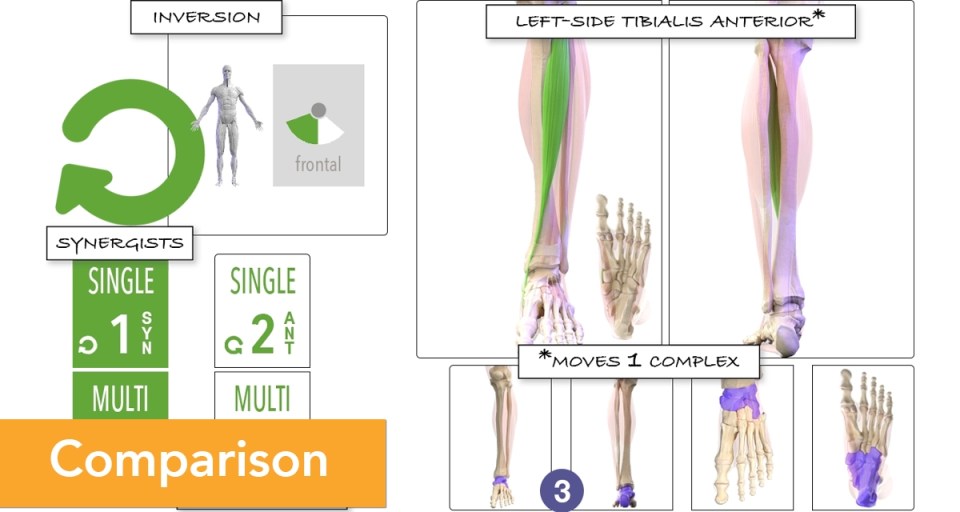
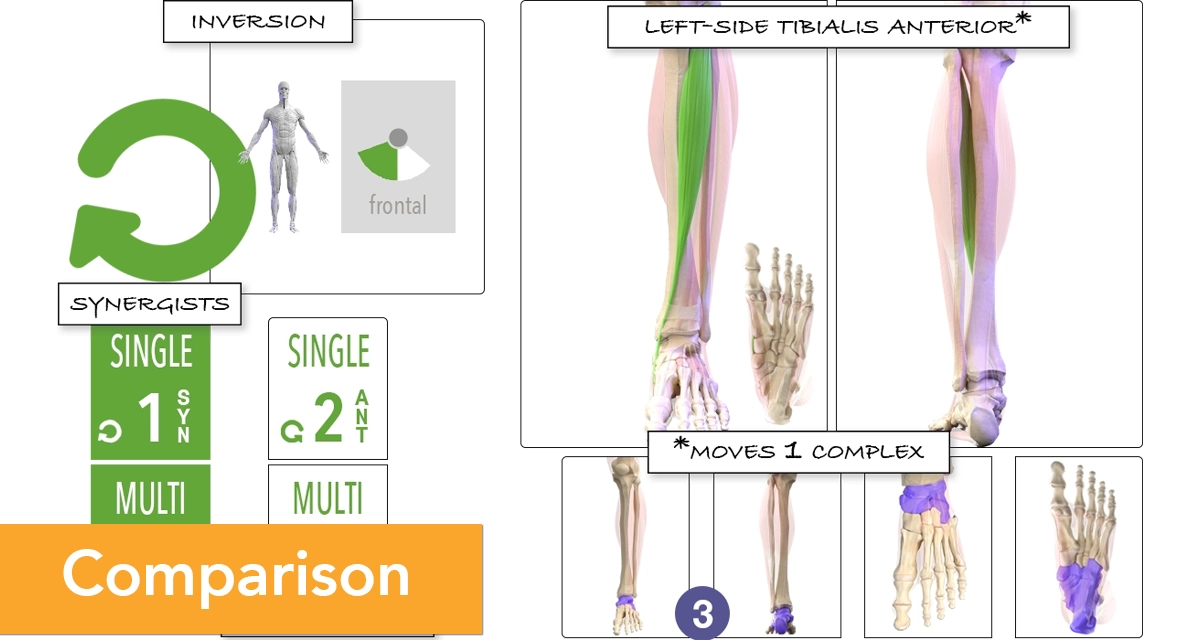
As illustrated in “Anatomy by Planes,” the iliopsoas muscle moves eleven complexes across three planes.1 Evaluating, treating, and exercising these complexes—the skin that connects with the iliopsoas, the joints it moves, its single-complex synergists and antagonists, and its multi-complex synergists and antagonists—tends to produce more meaningful and durable results.
Different yet still motion-based is only addressing the complexes that are involved in the movements that hurt—i.e., lumbar flexion-extension, lumbar left-right lateral flexion, and/or lumbar left-right rotation.
1 The sagittal hip, pubic symphysis, sacroiliac, and lumbar. The frontal pubic symphysis, sacroiliac, and lumbar. And. the transverse hip, pubic symphysis, sacroiliac, and lumbar.

Get your own atlas!
Anatomy by Planes is a soft tissue therapy anatomy atlas designed for massage therapists, bodyworkers, and movement professionals, with clear illustrations that make complex anatomical relationships easier to understand and apply in practice. It supports both study and hands-on clinical work.
Beyond skin, muscles, and joints
In addition to the integumentary, muscular, and skeletal systems, all other organ systems are also within our reach—sometimes through what we can do directly as soft-tissue therapists, and sometimes with the help of colleagues and other specialists.
Improving movement may involve positively influencing systems such as the nervous, circulatory, respiratory, digestive, or endocrine systems, whether through manual work, physical activity, education, or referral to a specialist.[4]
Thought experiment
I’ll continue sharing the different ways I approach this in my work. In the meantime, I’m curious to hear how you think about this—and what you do to help your clients move better.
References
- Singh, R. E., Iqbal, K., White, G., & Hutchinson, T. E. (2018). A systematic review on muscle synergies: From building blocks of motor behavior to a neurorehabilitation tool. Applied Bionics and Biomechanics, 2018, 3615368. ncbi.nlm.nih.gov
- Bordoni, B., & Varacallo, M. (2023). Anatomy, bony pelvis and lower limb, iliopsoas muscle. StatPearls. ncbi.nlm.nih.gov
- Bialosky, J. E., Beneciuk, J. M., Bishop, M. D., Coronado, R. A., Penza, C. W., Simon, C. B., & George, S. Z. (2018). Unraveling the mechanisms of manual therapy: Modeling an approach. Journal of Orthopaedic & Sports Physical Therapy, 48(1), 8–18. jospt.org
- Severinsen, M. C. K., & Pedersen, B. K. (2020). Muscle–organ crosstalk: The emerging roles of myokines. Endocrine Reviews, 41(4), 594–609. ncbi.nlm.nih.gov