
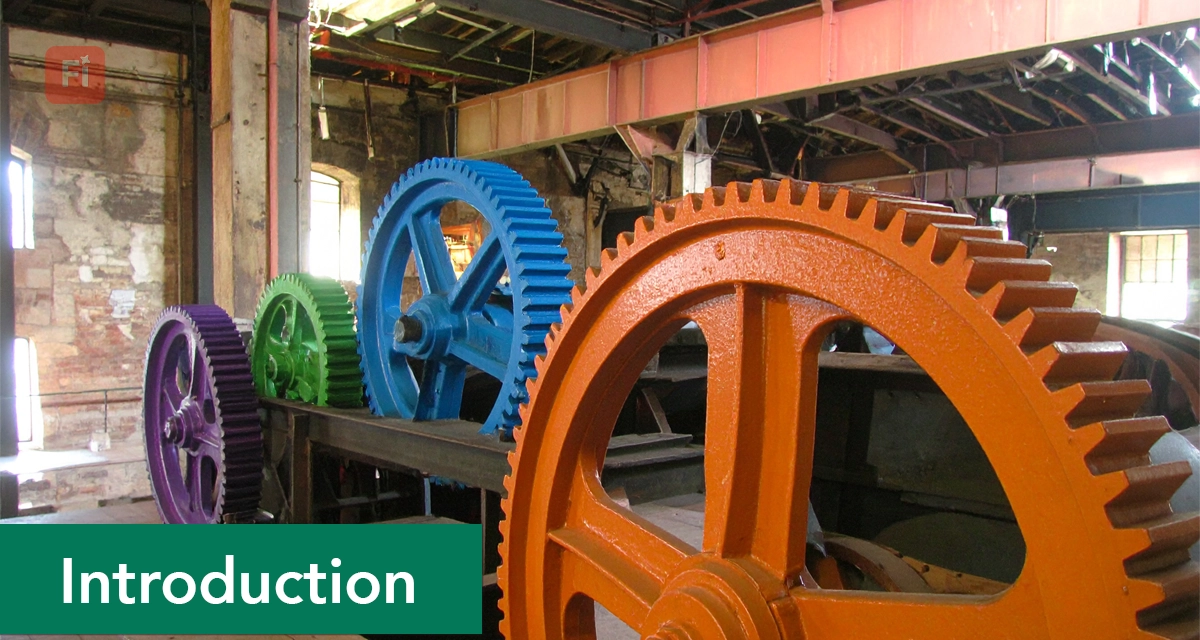

Like the gears of a mechanical watch, the complexes that form our body interlock and move each other.
Within a plane and between planes, the complexes that form our body interlock, like the gears of an intricate mechanical watch.
Their interlocking makes it so that complexes employ, move, and affect each other. In research, this is referred to as a “reciprocal relationship.”
"Shin (2024), Ruiz (2020), Edmonston (1997), and Sueki (2013) all recognize, what they call, “the reciprocal relationships” between the pelvic area, lumbar, thoracic, and cervical spines. Through their relationships, the mentioned areas affect each other in positive and negative ways."

Like the gears of a mechanical watch, the complexes that form our body interlock and move each other.
The left frontal hip (F5), for example, interlocks with the left frontal sacroiliac, the frontal pubic symphysis, and, via the left frontal knee, with the left frontal ankle.
Practically, this means that the left frontal hip recruits and alters the left frontal sacroiliac, the frontal pubic symphysis, knee, and ankle …, and the other way around.
The “other way around” indicates the reciprocal nature of the relationships. In case you do not know the word reciprocal, it means “give-and-take.”
Reciprocal relationships between complexes range from “significant” to “not that significant”; some inter-complex relationships have a noticeable impact, while others do not.