
Ch. 6.0: Why Get Your Own Atlas

Honestly, I don’t know whether you should or shouldn’t get your own atlas. I am not familiar with your work or your goals. What I can tell you is why I own and use it.

Written by

Willem Kramer

Published on

July 31, 2025

Why purchase your own atlas? Because it has pretty colors, lots of pictures, and looks great in your library?

Honestly, I don't know whether you should or shouldn't get your own. I am not familiar with your work or your goals. What I can tell you is why I have it in my bookcase and why I use it.

For one, "Anatomy by Planes" combines traditional anatomy and motion, making it a one-of-a-kind, in-depth, visual, soft tissue therapy reference guide.

It shows which skin, muscles, and joints (that is, which complexes) to look at, treat, and exercise when motion hurts. Which is, of course, amazing.

It also makes something that's crazy complex very easy to do. It simplifies helping clients holistically.

There's so much to take into account. Eleven organ systems, hundreds of muscles, joints, deep fasciae, peripheral nerves, and much, much more - and all of them connect, in more than one way. It is incredible; the body truly is amazing. Amazing as it may be, with all those links, there are thousands of reciprocal relationships to consider. It's overwhelming. It's easy to lose your head and veer off track.

"Anatomy by Planes" helps me stay the course. 

Ultimately, it's worth its weight in gold because it makes me a better soft tissue therapist. And for me, that's all that matters. Helping my clients feel better, that’s my North Star.

I don't know what you think or how you feel about it, but chances are, it'll do the same for you.
5 1 vote
Article Rating
Subscribe
Notify of
guest

0 Comments
Inline Feedbacks
View all comments

Author

Willem is a Netherlands-educated physiotherapist and a US-licensed massage therapist with over thirty years of experience working with professional athletes, entertainers, and executives. He presents a movement-based approach that extends dissection anatomy for the specific needs of soft-tissue therapists. Willem advocates for a holistic understanding of the body, emphasizing that all organ systems are interconnected and interdependent. His insights offer both practitioners and enthusiasts a fresh perspective on musculoskeletal health.

booshop-org-icon_orange-EB801D-hover-637C77

Related posts

Including atlas "Introduction," "Comparison," "Quiz," "Bibliography," and "News" posts.
June 19, 2025

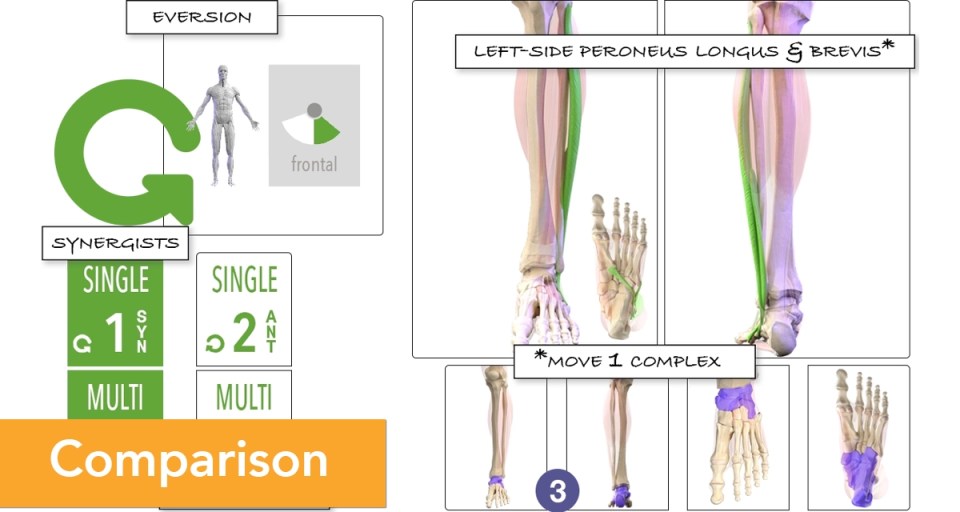
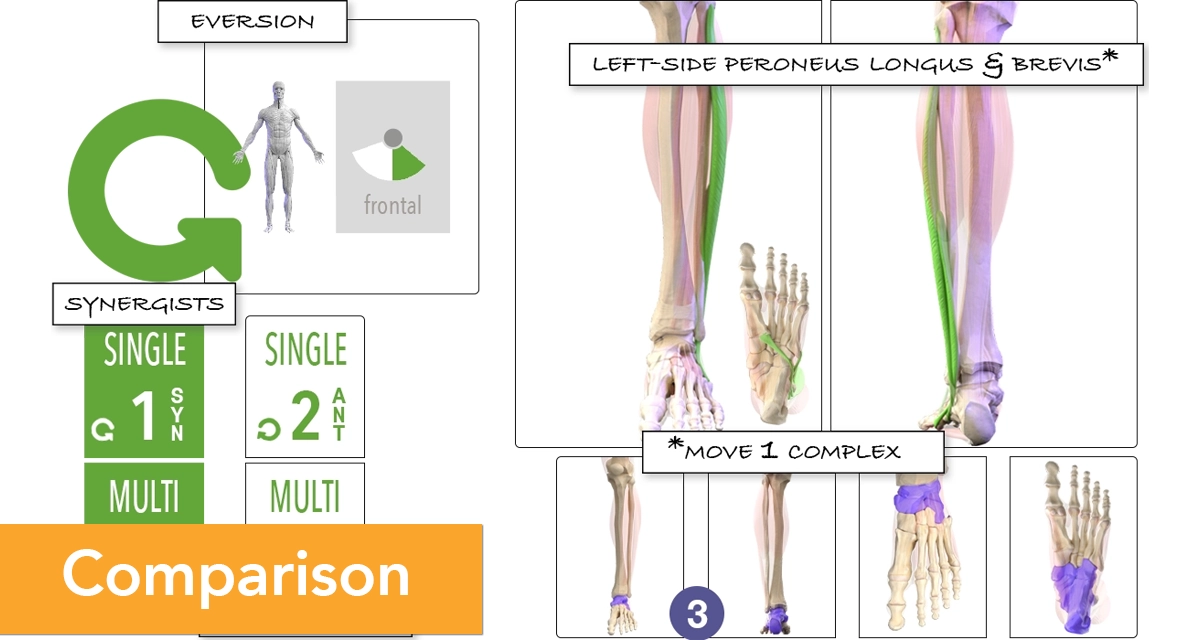
Dissection vs AxP Anatomy: Peroneus Longus & Brevis (L)

Compare dissection anatomy and soft tissue therapy anatomy: The left-sided peroneus longus & brevis evert the “frontal ankle,” are single-complex muscles, have one single-complex synergist, two single-complex antagonists, one multi-complex synergists, and three multi-complex antagonist.
0
Would love your thoughts, please comment.x
()
x
Privacy Overview

This website uses cookies so that we can provide you with the best user experience possible. Cookie information is stored in your browser and performs functions such as recognising you when you return to our website and helping our team to understand which sections of the website you find most interesting and useful. For more information you can read our Privacy Policy.