
This Health Science video explains the health benefits of walking. It highlights a fundamental fact: walking involves all organ systems and positively affects each one.
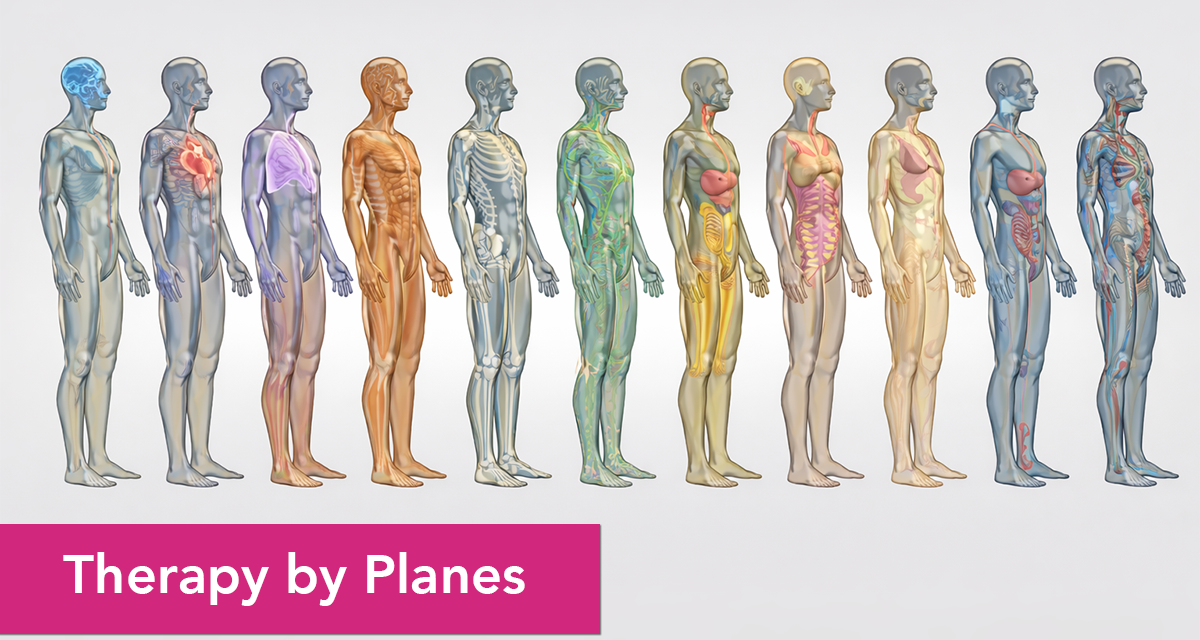
That idea strongly aligns with the premise behind Anatomy by Planes.
Movement — whether walking, throwing, lifting, or reaching — never involves just one structure. It does not happen muscle by muscle. It works across the entire system.
I’ve written about this before in a post titled “Motion Does Not Happen Muscle-by-Muscle.” Walking is simply an accessible example that illustrates this broader principle.
Walking Is Not Just Muscular
When we think about walking, we usually focus on the legs. From a systems perspective, however, walking is far more complex.
- The nervous system coordinates timing, balance, and spatial awareness.
- The muscular system produces and controls force.
- The fascia and connective tissues transmit tension across regions and planes.
- The cardiovascular system delivers oxygen and removes metabolic byproducts.
- The respiratory system supports gas exchange to meet increased demand.
- The endocrine system regulates adaptation and recovery.
- Even the digestive and immune systems respond to regular movement through improved circulation and regulatory effects.
None of these systems operate independently.
Each step is a coordinated event involving structural support, force transmission, metabolic regulation, neural control, and systemic adaptation. Walking is not local. It is systemic.
Why This Matters for Soft Tissue Pain and Therapy
Movement affects pain perception, circulation, tissue hydration, and nervous system regulation. As soft tissue therapists, we apply this principle every day.
We do not just “treat a muscle.” We introduce a stimulus into a system, and the system responds.
Whether through movement, hands-on therapy, electrical stimulation, or thermal modalities, a local input never remains purely local. A hand on the skin influences mechanoreceptors, vascular responses, autonomic regulation, and neural processing. The stimulus travels through interconnected systems and produces effects beyond the immediate area of application.
This helps explain why movement and manual therapy can improve well-being and reduce discomfort. Their impact is not isolated. It is systemic.
This systems-based perspective is exactly what Anatomy by Planes is built upon.
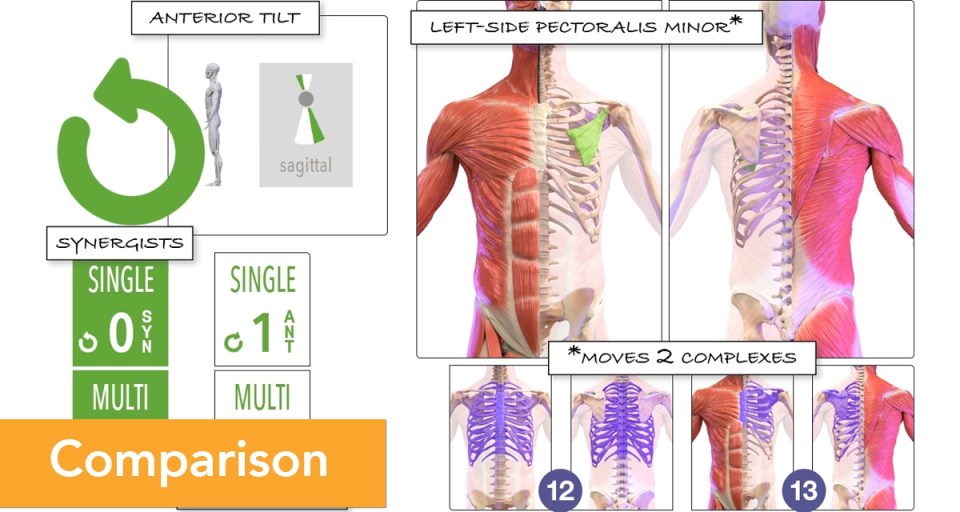
The atlas does not present the body as a collection of isolated parts. It presents a three-dimensional, interconnected structure in which motion, skin, joints, and muscles interact across planes.
Walking makes that interaction visible.
Walking Is Powerful — But It Is Specific
As the Health Science video demonstrates, walking is one of the most accessible and sustainable forms of movement. It supports cardiovascular health, metabolic regulation, joint nutrition, and nervous system balance.
But adaptation is specific.
Walking makes you “walking fit.”
The same system-wide integration that makes walking beneficial also explains why walking alone does not prepare the body for every possible demand. The body adapts to the stresses it encounters repeatedly. If those stresses are limited, adaptation remains limited.
If you want to lift, throw, sprint, or tolerate higher mechanical loads, you must challenge the system in different ways.
That, however, is a topic for another post.
A Systemic Perspective on Movement
The central message is simple: even something as ordinary as walking involves all organ systems.
Every step reflects coordination across tissues and planes. Every movement is a whole-body event.
For clinicians and movement professionals, this perspective is essential. It reminds us that local symptoms often emerge from system-wide interactions. It encourages us to look beyond isolated structures and understand how systems interact during motion.
For anyone interested in understanding the body more deeply, walking serves as a daily reminder that anatomy is not static. It is dynamic, integrated, and constantly adapting.
That integrated view is the foundation of Anatomy by Planes.
Because movement never happens muscle by muscle.
It happens system by system.
Plane by plane.
And always as a whole.