

Why I have it in my library
The early editions of Travell and Simons' Myofascial Pain and Dysfunction: The Trigger Point Manual offer a valuable blend of traditional anatomy, motion, and hands-on therapy. I purchased a copy shortly after graduating and starting my own clinic.
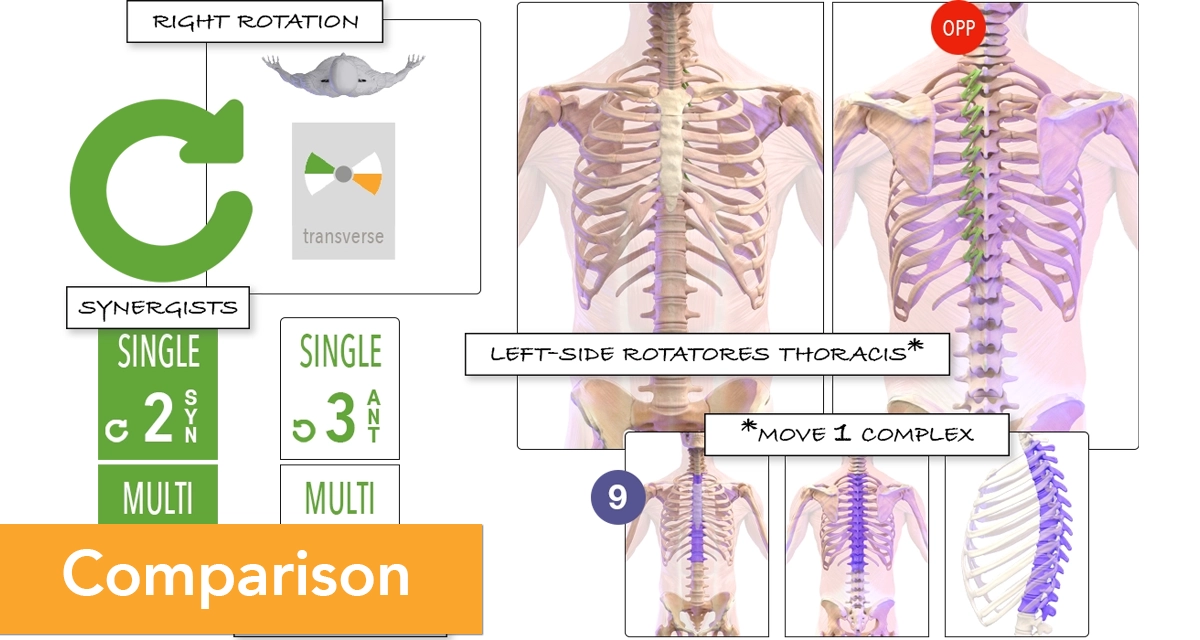
In "Anatomy by Planes," I organize skin, muscles, and joints by motion; in "Myofascial Pain and Dysfunction," Travell and Simons organize muscles by the location of referred pain.
Each chapter discusses a single muscle or several related ones. It describes anatomy, function, action, functional myotatic unit (i.e., synergists and antagonists), relevant EMG research, referred pain, trigger points, and more.
Illustrations show the muscle's known trigger points and their associated referred pain.
EMG research is a significant part of Travell and Simons' theory of how trigger points develop. Each chapter contains several paragraphs discussing applicable findings. It's probably also the reason Basmajian - a pioneering anatomist and electromyographer - wrote the foreword.
I am not sure about the newer editions - I do not own them - but the first and second editions of Travell and Simons' Myofascial Pain and Dysfunction are fun and useful during treatment.
—Willem
Specifics
| Full title | Myofascial Pain and Dysfunction: The Trigger Point Manual. Volume 1. Upper Half of Body. |
|---|---|
| Authors | Simons, D.G. Travell, J.G. Simons, L.S. |
| ISBN | 0683083635 |
| Edition | 2nd |
| Publisher | Williams & Wilkins |
| Year of Publication | 1998 |
| Language | English |
| Weight | 4 pounds |
| Number of Pages | 1038 |
| Full Tile | Myofascial Pain and Dysfunction: The Trigger Point Manual. Volume 2. The Lower Extremities. |
|---|---|
| Authors | Travell, J.G. Simons, D.G |
| ISBN | 0683083678 |
| Edition | 1st |
| Publisher | Williams & Wilkins |
| Year of Publication | 1983 |
| Language | English |
| Weight | 3 pounds |
| Number of Pages | 626 |
Where to purchase
There are several different editions of "Myofascial Pain and Dysfunction" available. Since I only own one edition, I am not sure if the different editions have ....
| Store* | Price | Condition |
|---|---|---|
| World of Books | $46.28 | Used (well read) |
| Amazon | $294.76 | New |
| Alibris | $46 - $106.37 | Used - New |
* Volume 1. Upper half of body.
† Volume 2. The Lower Extremities.
Most recent edition
I do not own the most recent edition and have no idea if it is still worth buying. Does any of you own it? If so, please share your perspective in the comments below.
The description below is copied from the publisher's website.
"This new edition of Travell, Simons & Simons' groundbreaking work reflects the latest research and best practices associated with trigger points and updates the iconic pain point images that set the standard in the field. New lead editor Joseph M. Donnelly draws on his experience as both educator and physical therapy practitioner to integrate an evidence-based approach into this critical text. In addition, the new edition consolidates information to create a more intuitive user experience and features a completely new full color design to bring concepts to life."
| Store | Price | Condition |
|---|---|---|
| Amazon | $141.22 | New |
| Wolters Kluwer | $182.99 | New |